

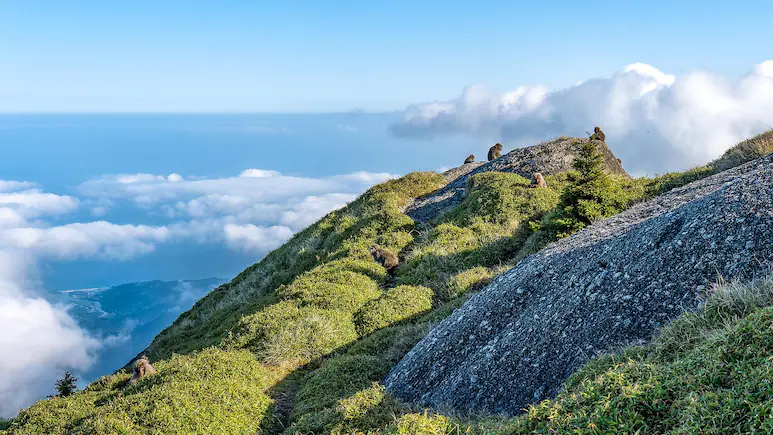
Leave Tokyo to the last — these quieter corners of Japan will change how you think about the country.
Japan’s global image is full of neon, shrines, and bullet trains — and rightfully so. But go a little off-script and the country reveals itself in slow, surprising ways: tiny islands where art and sea hold hands; mountain villages where centuries-old houses sleep under snow; sand dunes that feel un-Japanese; forests that look like they were painted by myth.
This guide takes you beyond the obvious. I’m talking places that reward curiosity — where the few travelers who arrive are welcomed, where local rhythms run slower, and where memories stick. For each of the seven spots below you’ll find what makes it special, how to get there, the best time to visit, and a very human tip or two so you leave with stories, not just photos.
Quick map: the seven gems we’ll explore
- Naoshima (art island) — Seto Inland Sea
- Kinosaki Onsen (yukata town) — Hyōgo Prefecture
- Tottori Sand Dunes — Tottori Prefecture
- Shirakawa-go (gasshō-zukuri village) — Gifu Prefecture
- Nagasaki (layered history & cuisine) — Kyūshū
- Aomori (apples & Nebuta Matsuri) — Tōhoku
- Yakushima (ancient cedar forest) — Kagoshima / Kyūshū
1) Naoshima — the tiny island where modern art meets sea breeze
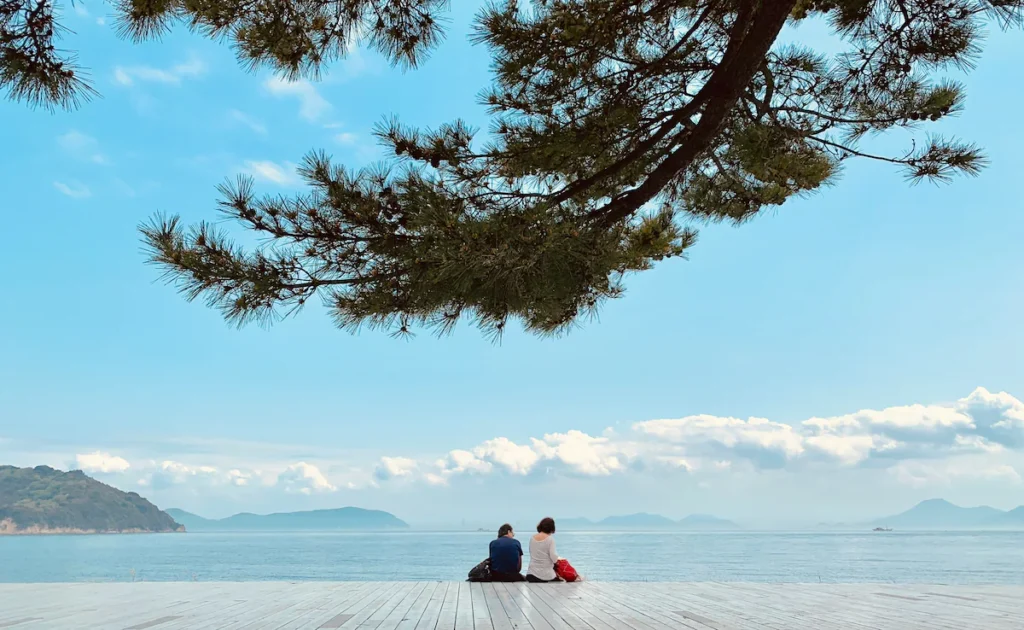
If an art lover and a fisherman had a baby, it would be Naoshima. The island is small enough to explore in a day or two, but large enough that every corner whispers a visual surprise: outdoor sculptures on the waterfront, museums designed by Tadao Andō, and low-key cafés hiding works by contemporary masters.
What to see and do
- Benesse Art Site (Benesse House, Chichu Museum) — world-class exhibits marry art with architecture and landscape. The Benesse complex even functions as a hotel, so you can literally sleep in the same building that houses the works.
- Yayoi Kusama’s pumpkin — bright, polka-dotted, and photogenic; it’s an icon of the island.
- Walk or cycle — the island is bicycle-friendly; a slow pedal along the coast will uncover small installations and charming fishing villages.
How to get there
Most visitors go via Uno Port (Okayama) or Takamatsu. From Uno, a short ferry ride brings you to Naoshima’s ports; from there local buses, shuttles, and bikes handle the rest. Check museum opening days — schedules can be seasonal.
Best time to visit
Spring and autumn for mild weather; summer is busy with day-trippers, but there’s a lightness to warm evenings you’ll love.
Local tip
If you can, book a room at Benesse House or one of the island’s boutique guesthouses. Early mornings and late evenings on Naoshima are quiet and perfect for wandering before the daytrippers arrive.
Why it’s a gem
Naoshima takes two opposing things — contemplative modern art and sleepy island life — and makes them feel like they were always meant to be together. For travelers who want art beyond white-cube galleries, this is a pocket of magic.
2) Kinosaki Onsen — a yokai-simple town wrapped around seven baths
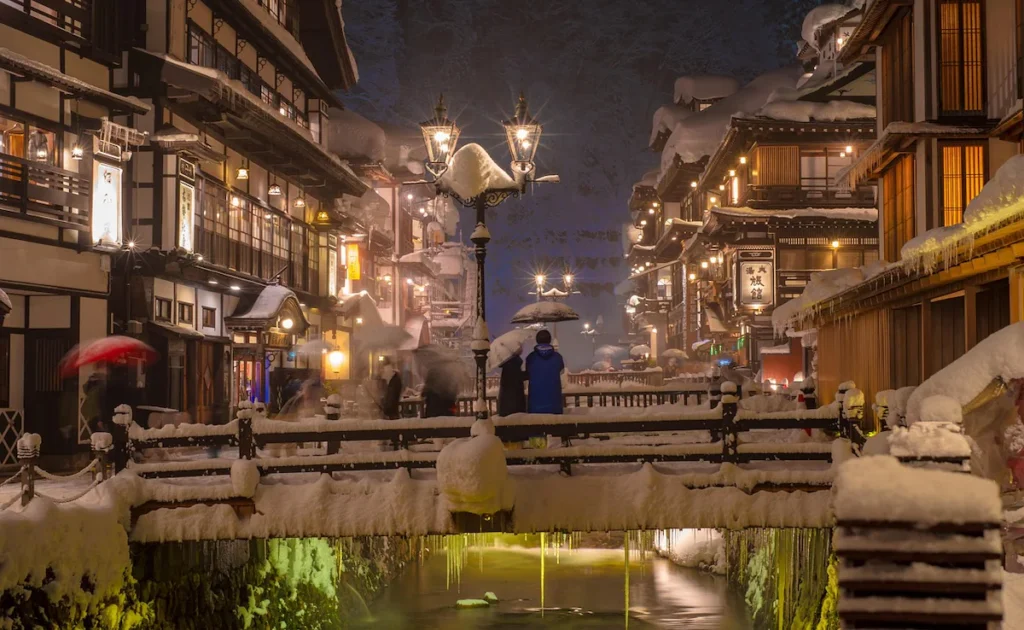
If the idea of walking the night streets in a yukata (light cotton robe) and popping into public baths appeals to you, Kinosaki Onsen is an old-fashioned delight. The town’s signature ritual — wearing a yukata while strolling between the seven public onsens — makes for a relaxed, photogenic, and genuinely local experience.
What to see and do
- Onsen hopping — each of Kinosaki’s seven public baths has its own personality: wooden interiors, riverfront views, or tucked-away serenity. Many ryokan (traditional inns) give guests free access.
- Stroll the willow-lined canals — small bridges, shopfronts, and friendly ryokan staff make evening walks a pleasure.
- Eat local seafood — crab in winter, and Michelin-caliber meals in modest settings.
How to get there
Direct limited-express trains run from Kyoto and Osaka to Kinosaki Onsen Station — the trip takes roughly 2–2.5 hours depending on your starting point. Reserve seats in advance during peak seasons.
Best time to visit
Winter is magical: steaming baths and snowy sidewalks are a classic onsen pairing. Spring and fall offer gentle weather and fewer crowds.
Local tip
Bring or rent comfortable slippers for town walking, but be prepared to go barefoot in the baths. If you stay in a ryokan, opt for the dinner plan — kaiseki (multi-course meals) are often made with local ingredients and can be a highlight of the trip.
Why it’s a gem
Kinosaki is small, slow, and wholeheartedly focused on comfort. It’s a counter-balance to Japan’s fast lanes — perfect for unplugging without leaving civilization behind.
3) Tottori Sand Dunes — surreal dunes at the edge of Japan
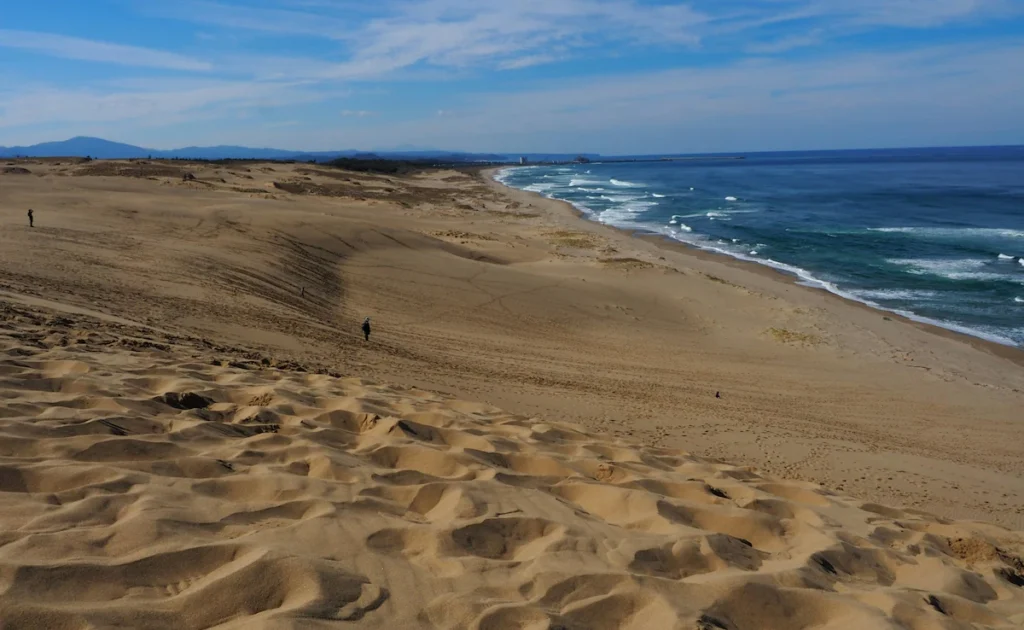
Sand dunes in Japan? Yes, and they’re worth the surprise. Tottori’s rolling dunes rise from the Sea of Japan coast and create a landscape you wouldn’t expect in an island nation of forests and mountains.
What to see and do
- Tottori Sand Dunes — walk the ridges, ride a camel for novelty photos, or try sandboarding for a goofy thrill.
- Sand Museum — the museum features huge, intricately carved sand sculptures with rotating themes that change yearly.
- Hakuto Shrine & coastal views — the shoreline is dramatic and less crowded than other Japanese coasts.
How to get there
Tottori City is reachable by limited-express train from Osaka in about 2.5–3 hours; local buses run from the station to the dunes. Day trips from Osaka are possible, but an overnight stay gives you dune sunsets and quiet mornings.
Best time to visit
Late spring through early autumn for mild weather. Winter can be cold and windy, but the starkness is dramatic.
Local tip
Pack sunscreen and a windbreaker — the dunes can be reflectively bright and surprisingly windy. For a different perspective, visit at sunset when the dunes glow golden and the tourist numbers drop.
Why it’s a gem
Tottori’s dunes feel almost cinematic — they’re unexpected, photogenic, and infinitely walkable. It’s an offbeat natural scene that rewrites parts of the Japan narrative.
4) Shirakawa-go — postcard villages and steep thatched roofs
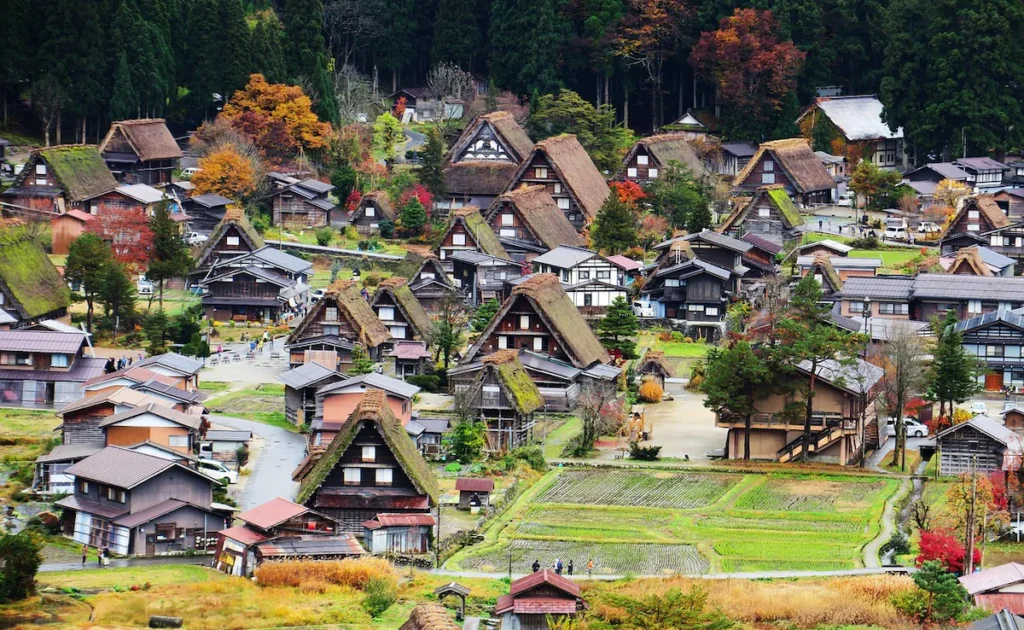
Shirakawa-go looks like a storybook village stacked into a valley — because in a sense it is. The traditional gasshō-zukuri farmhouses (with steep, thatched roofs shaped like praying hands) are centuries old and were built specifically to survive heavy winter snow. The village is listed as a UNESCO World Heritage site for good reason.
What to see and do
- Gasshō houses — many have been preserved as museums and guesthouses; staying overnight is an intimate way to experience mountain life.
- Winter illuminations — on select evenings in winter, the village is lit up and the thatched roofs look otherworldly.
- Hiking and viewpoints — short trails lead to viewpoints where the whole settlement unfurls beneath you.
How to get there
Buses from Takayama and Kanazawa run regularly; from Takayama it’s about a 50-minute ride on a dedicated sightseeing bus. Check bus timetables in advance — services can be seasonal.
Best time to visit
Winter (snowy, atmospheric) and late spring (green, blooming) are both excellent. Summer brings lush mountains but also more insects.
Local tip
If you can, spend a night in a guesthouse inside one of the gasshō houses. The quiet at night — with only the sound of wind and distant water — is one of Japan’s most underrated experiences.
Why it’s a gem
Shirakawa-go is one of those places that looks like someone paused time and left the village intact. It’s archetypal Japan that few visitors expect to find outside of guidebooks — except here it’s real, lived-in, and often serenely empty.
5) Nagasaki — resilience, fusion cuisine, and unexpected corners
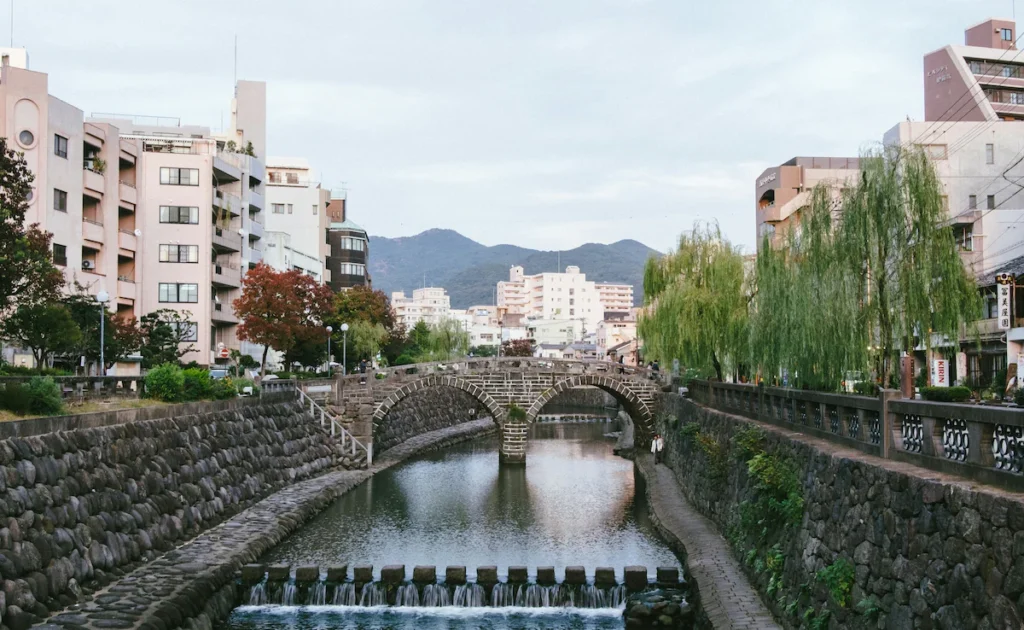
Nagasaki wears history on its skin. Its architecture and food carry the memory of centuries of foreign contact — Dutch, Portuguese, Chinese — and its cultural mix is visible in everything from churches to ramen bowls. The city’s tragic history as the site of the second atomic bombing is honored thoughtfully at the Peace Park and Atomic Bomb Museum.
What to see and do
- Peace Park & Atomic Bomb Museum — a solemn, essential visit to understand the city’s modern identity.
- Dejima — a former Dutch trading post reimagined as a small islanded neighborhood that tells the story of early foreign exchange in Japan.
- Chinatown & Dutch-influenced food — try champon (a hearty noodle dish unique to Nagasaki) and castella sponge cake.
How to get there
Nagasaki is easily reached by train from Fukuoka (Hakata) — the trip takes around 2–3 hours by limited express or via bus options. It makes a great stop if you’re touring Kyūshū.
Best time to visit
Spring and autumn are pleasant. Summers can be hot and humid, but lively festivals give the city energy.
Local tip
Nagasaki’s topography means many neighborhoods are spread across hills — comfortable shoes are essential. Also, sample small street food stalls near Chinatown; you’ll taste flavors that exist nowhere else in Japan.
Why it’s a gem
Nagasaki feels like a bridge — between Japan and the world, past and present. Its resilience is palpable, and its food culture is a delicious testimony to centuries of exchange.
6) Aomori — apples, rugged coastline and the electric Nebuta Matsuri
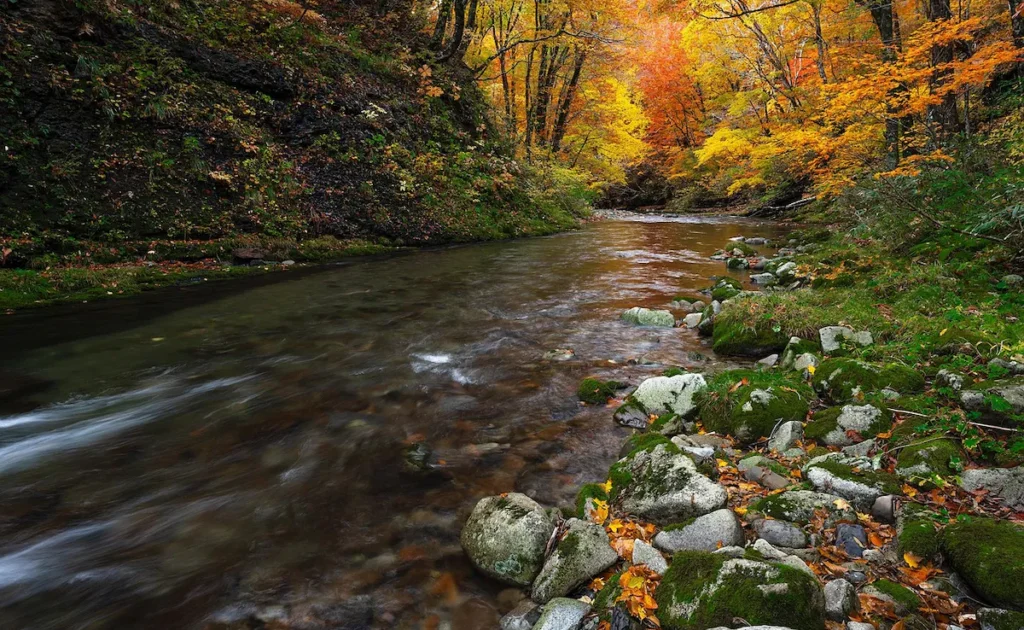
Aomori prefecture is Japan’s northern main island heartbeat — stark coastline, apple orchards that make the country’s best fruit, and one of Japan’s most spectacular summer festivals: Nebuta Matsuri.
What to see and do
- Nebuta Matsuri (Aug 2–7) — gigantic illuminated floats paraded through the streets, accompanied by drummers and dancers; it’s one of Japan’s great summer spectacles and draws crowds from across the country.
- Oirase Gorge and Lake Towada — lush river walks and jade lakes perfect for quiet hiking.
- Apple tastings — farms in the area grow crisp, sweet apples year-round.
How to get there
Shinkansen runs to Shin-Aomori from Tokyo in about 3 hours; local trains and buses take you into the prefecture’s forested interior and coastal towns.
Best time to visit
August for the festival; autumn offers blazing foliage and a quieter atmosphere. Summer is green and festival-rich.
Local tip
If you visit during Nebuta, book accommodations months in advance. Otherwise, rent a car to explore smaller apple farms and coastal viewpoints that trains don’t reach as easily.
Why it’s a gem
Aomori combines an otherworldly festival with honest rural charm. It’s where community and celebration meet wide landscapes — and where apples are a legitimate regional obsession.
7) Yakushima — a forest that feels older than time
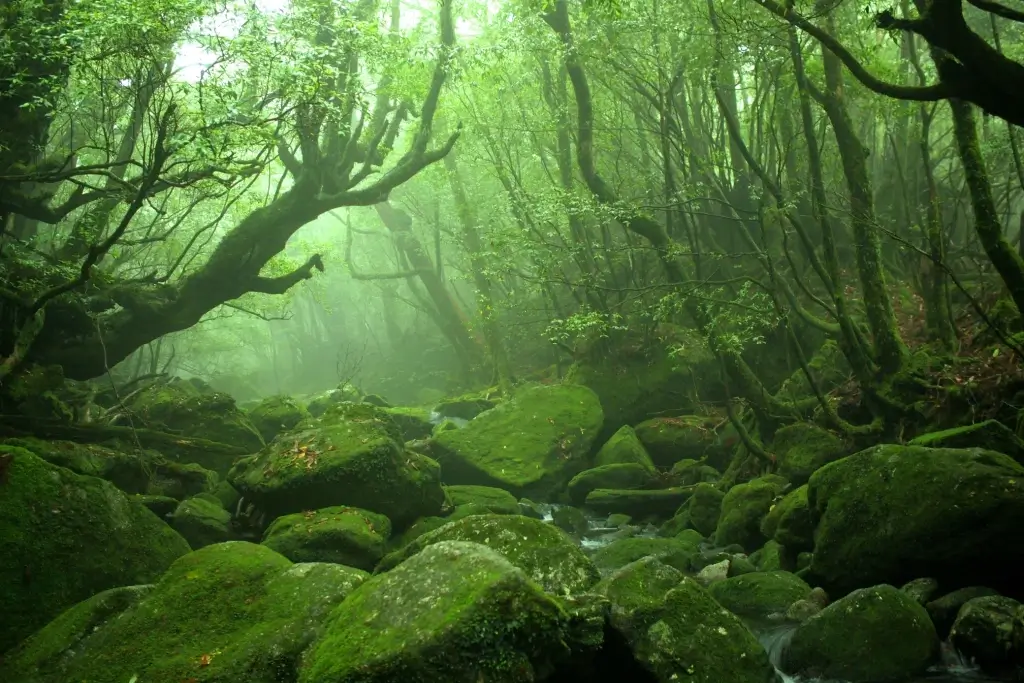
Yakushima is the island that makes you whisper. Its moss-draped trails, giant cedar trunks, and constant mist have inspired artists and filmmakers (many say parts of Princess Mononoke were inspired by Yakushima). The Jōmon Sugi — a cedar estimated to be thousands of years old — anchors the island’s spiritual pull.
What to see and do
- Jōmon Sugi hike — a long, rewarding trek (often 4–8 hours round trip depending on route) to the oldest, largest cedar. Prepare for a full day.
- Shiratani Unsuikyo Ravine — a shorter walk that offers fairy-tale mossy scenery and less intense hiking.
- Coastal spots and beaches — warm currents keep the coastline relatively mild and lush.
How to get there
You can fly to Yakushima from Kagoshima or take a ferry from Kagoshima City; internal buses and rental cars handle island navigation. Book ferries and flights ahead during peak seasons.
Best time to visit
Spring and autumn are great for hiking. Expect rain — Yakushima is famously wet, which is what keeps the forest so lush. Pack breathable rain gear and good boots.
Local tip
If you’re not an experienced long-distance hiker, hire a local guide for the Jōmon Sugi trek. The trails can be muddy and steep, and a guide will make the experience safer and richer.
Why it’s a gem
Yakushima isn’t just a place; it’s an experience: ancient forest, wet climate, and a heaviness of history that feels calming. Walk slowly and let the island’s age sink in.
How to plan a trip to these places — a practical primer
Time budget
If you have 10–14 days in Japan:
- Pick 3–4 of these gems and cluster them geographically:
- Naoshima + Kinosaki Onsen + Shirakawa-go pair well with Honshu (Okayama/Kyoto/Takayama).
- Nagasaki + Yakushima fit a Kyūshū loop (Fukuoka → Nagasaki → Kagoshima/Yakushima).
- Aomori is best as a northern add-on if you start or end in Tokyo.
If you have 3–5 days:
- Choose one gem and make it your slow escape (Kinosaki, Naoshima or Shirakawa-go are ideal).
Travel passes and transport
- Japan Rail Pass can be useful for longer travel, but for concentrated regional trips, regional passes or local tickets are often cheaper.
- Many islands require ferries or flights that are not covered by JR — check before you plan.
When to book
- Festivals (Nebuta, Shirakawa winter illuminations) and summer weekends sell fast — book accommodations and transport early (2–3 months ahead at minimum).
What to pack
- Comfortable walking shoes and a compact rain jacket (many of these places are wet or mountain-adjacent).
- A lightweight daypack for hikes and temple walks.
- A reusable water bottle (tap water is safe and good in Japan).
- For onsen towns: modesty items (small towel for outside baths), and if you’re unsure about onsen etiquette, most ryokan will brief you.
Eating & drinking — local flavors to chase
Every one of these regions has culinary treats worth timing your trip around.
- Naoshima: seafood and café culture — eat simple, fresh meals after museum visits.
- Kinosaki: winter crab (Matsuba kani) is legendary.
- Tottori: fresh seafood and grilled local dishes near the coast.
- Shirakawa-go: mountain cuisine, vegetables, and rustic miso soups.
- Nagasaki: champon noodles, sara udon, and Portuguese-influenced castella cake.
- Aomori: apples (tart, crisp) and freshwater fish dishes.
- Yakushima: island sashimi, shōchū (local spirit), and mountain vegetable dishes.
Responsible travel — how to be a considerate guest
These places are small, fragile, and treasured by locals. A few simple rules will go a long way:
- Respect quiet hours and public spaces. Small towns value peace.
- Follow onsen rules. Wash before entering and no swimsuits in public baths.
- Avoid trampling vegetation when exploring dunes or forests — stick to marked paths.
- Buy local. A meal, a souvenir, or a ryokan stay directly supports the community.
- Leave no trace. Pack out what you pack in, and be conscious of waste.
Sample 10-day itinerary (one leisurely option)
- Day 1–3: Tokyo → fly/transfer to Aomori (festival if August) → explore Oirase Gorge.
- Day 4–5: Shinkansen to Kyoto → day trip to Kinosaki Onsen (overnight in a ryokan).
- Day 6: Take train to Okayama → ferry to Naoshima (overnight at Benesse if possible).
- Day 7–8: Travel to Takayama / Kanazawa → bus to Shirakawa-go (overnight in a gasshō house).
- Day 9–10: Make your way back via Kanazawa/Kyoto for onward travel.
(Adjust regionally if you prefer Kyūshū — swap in Nagasaki and Yakushima.)
Final thoughts — why these places matter
Japan’s famous places are famous for reasons that deserve the crowds. But these seven hidden gems offer something subtler: a chance to slow down, see layers of history, and meet local people who love their towns in small, precise ways.
They’re not hard to reach, but they reward a traveler who’s willing to step off a bullet-train timetable and accept a slower rhythm for a day or two. You’ll come back with quieter stories, better photos, and the kind of memory that doesn’t need a checklist.
Which of these places calls you first? Tell me whether you want mountains, art, festivals, or hot springs — I’ll sketch a 5-day route you can actually enjoy without sprinting.
Sources & further reading
For practical access, timings and official info on museums and routes, check the following (I used these while compiling routes and facts):
- Benesse Art Site Naoshima (access & visitor information).
- Visit Yakushima / JNTO (Jōmon Sugi and hiking info).
- Nohi Bus / Shirakawa-go bus routes (buses from Takayama to Shirakawa-go).
- Kinosaki Onsen official visitor information (how to get there by JR Limited Express).
- Tottori Sand Museum (access and the Sand Museum).
- Nagasaki travel connections and Peace Park access details.
- Aomori Nebuta Matsuri overview (dates and festival info).
Disclaimer
The information provided in this article is for general travel guidance and is based on research and available data at the time of writing. Travel rules, visa policies, prices, and local conditions may change, so readers are advised to verify details with official sources before planning their trip. vTraGo is not responsible for any changes, losses, or inconveniences that may arise from the use of this information.
