

Introduction: Where Air Travel Shapes the World 🌍
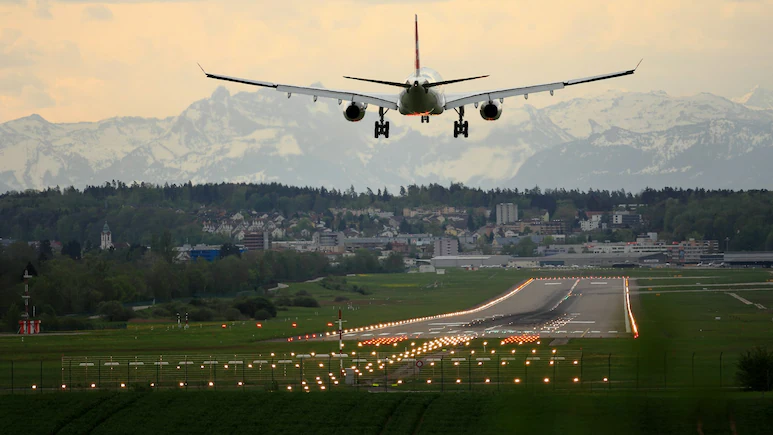
As global travel expands, air connectivity defines how easily people move — not just between continents but within countries. Some nations, because of their geography, economy, or culture, have built extensive aviation networks that make air travel the backbone of daily mobility.
From the U.S. with its 15,000+ airports to nations like Brazil and Australia connecting massive landscapes, these countries show how important air routes are in keeping economies alive and travellers connected. Let’s explore the top 10 countries with the most airports — and what this means for travellers seeking convenience, reach, and freedom.
1. United States of America 🇺🇸 – The Undisputed Leader
With more than 15,000 airports, the United States easily leads the world. From global hubs like Atlanta, Los Angeles, and Chicago O’Hare to small-town airstrips, aviation is central to American life.

Why so many?
- Vast landmass and decentralised population.
- Rich aviation history and strong private flying culture.
- High demand for domestic travel across states.
For travellers: The sheer number of airports means multiple route options, affordable domestic fares, and easy access to offbeat regions like Alaska or Montana.
Top Hubs: Atlanta (ATL), Los Angeles (LAX), Denver (DEN), Chicago (ORD), Dallas-Fort Worth (DFW)
2. Brazil 🇧🇷 – Connecting Forests, Cities, and Beaches
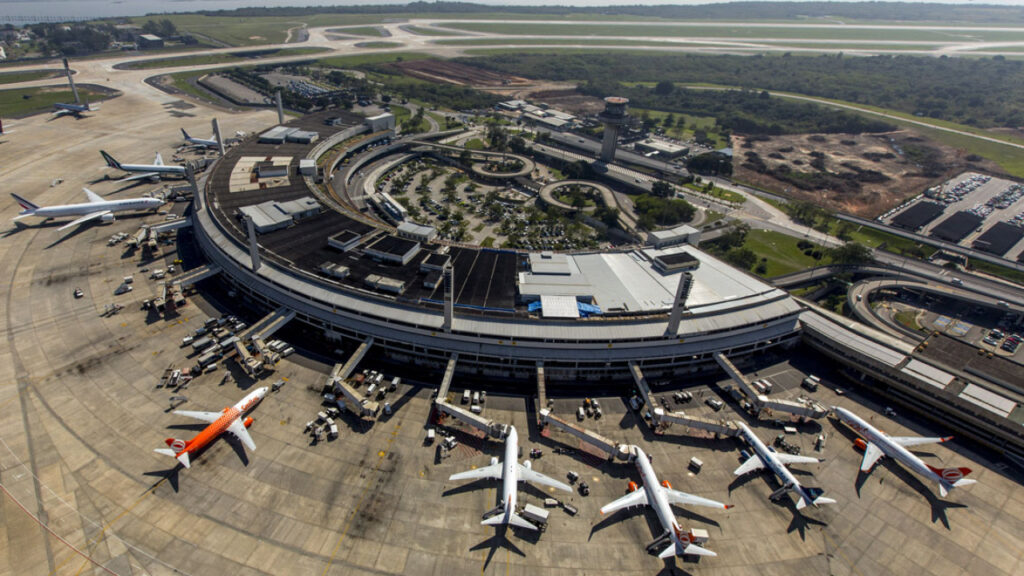
Brazil’s 4,900+ airports make it South America’s most connected nation by air. The geography — spanning the Amazon to vast coastlines — demands air connectivity.
Why so many?
- Immense land area and natural barriers like the Amazon Basin.
- Tourism and agriculture require fast logistics.
For travellers: Domestic flights are essential to reach beach towns, rainforest lodges, or remote regions without long road journeys.
Top Hubs: São Paulo (GRU), Rio de Janeiro (GIG), Brasília (BSB)
3. Australia 🇦🇺 – The Outback Connector
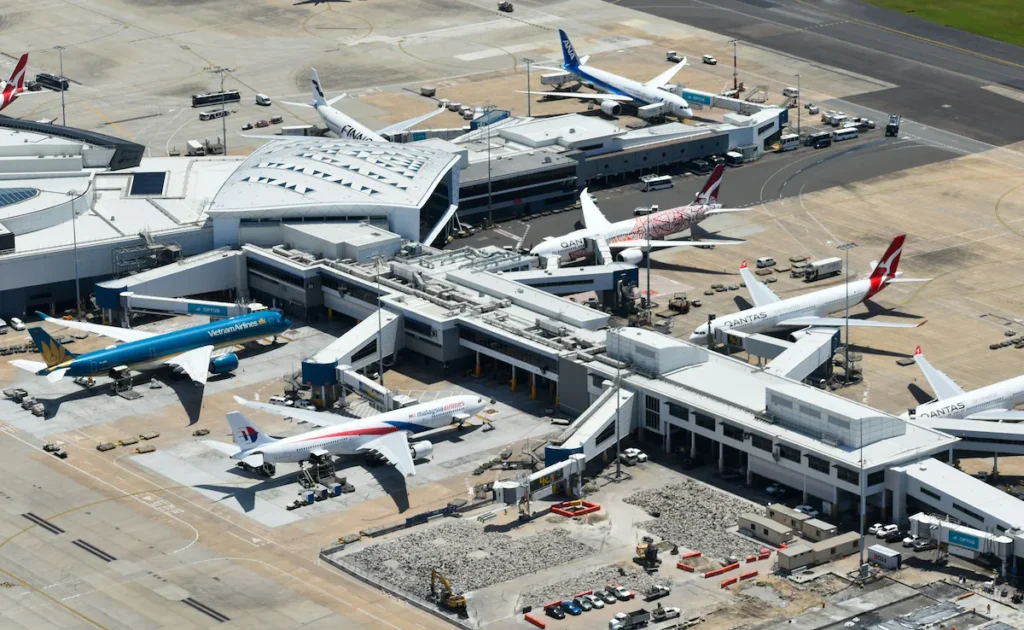
Australia’s 2,000+ airports link vast distances and isolated communities. Many towns rely on air routes for supplies and healthcare.
Why so many?
- Enormous distances between cities.
- Sparse population and outback isolation.
- Heavy reliance on domestic tourism.
For travellers: Regional flights help explore beyond Sydney and Melbourne — like Uluru, Cairns, or Tasmania — without days of road travel.
Top Hubs: Sydney (SYD), Melbourne (MEL), Brisbane (BNE)
4. Mexico 🇲🇽 – Diverse Landscapes, Diverse Airports
With around 1,500 airports, Mexico connects bustling cities, coastal resorts, and archaeological wonders.

Why so many?
- Strong domestic tourism industry.
- Geographic diversity — from jungles to deserts.
- Air travel preferred for safety and convenience.
For travellers: Quick hops from Mexico City to Cancún, Oaxaca, or Tulum make multi-city trips easy.
Top Hubs: Mexico City (MEX), Cancún (CUN), Guadalajara (GDL)
5. Canada 🇨🇦 – The Northern Lifeline
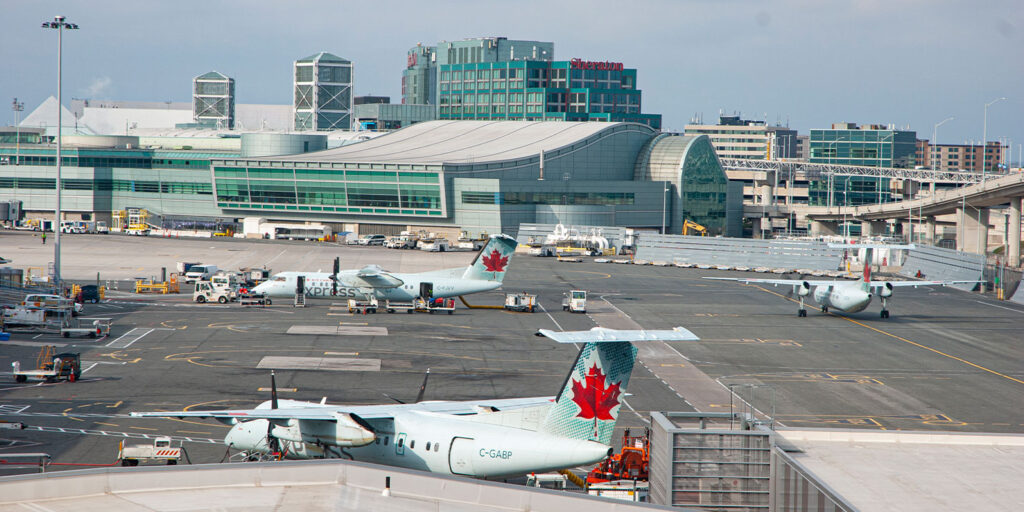
Canada’s 1,400+ airports cover one of the world’s largest landmasses. Many exist to serve remote northern towns and Arctic outposts.
Why so many?
- Vast geography with limited road access.
- Heavy winter conditions make flying essential.
- Government-supported regional aviation programs.
For travellers: Domestic flights offer access to wilderness lodges, aurora-viewing destinations, and remote national parks.
Top Hubs: Toronto (YYZ), Vancouver (YVR), Calgary (YYC)
6. United Kingdom 🇬🇧 – Compact Yet Connected
The UK’s 1,000+ airports and airfields are a legacy of wartime air bases and modern regional development.

Why so many?
- Dense settlement and short internal distances.
- Strong regional travel network connecting England, Scotland, Wales, and Northern Ireland.
For travellers: Beyond London’s Heathrow and Gatwick, smaller airports like Edinburgh, Manchester, or Bristol make regional access simple.
Top Hubs: London Heathrow (LHR), Manchester (MAN), Edinburgh (EDI)
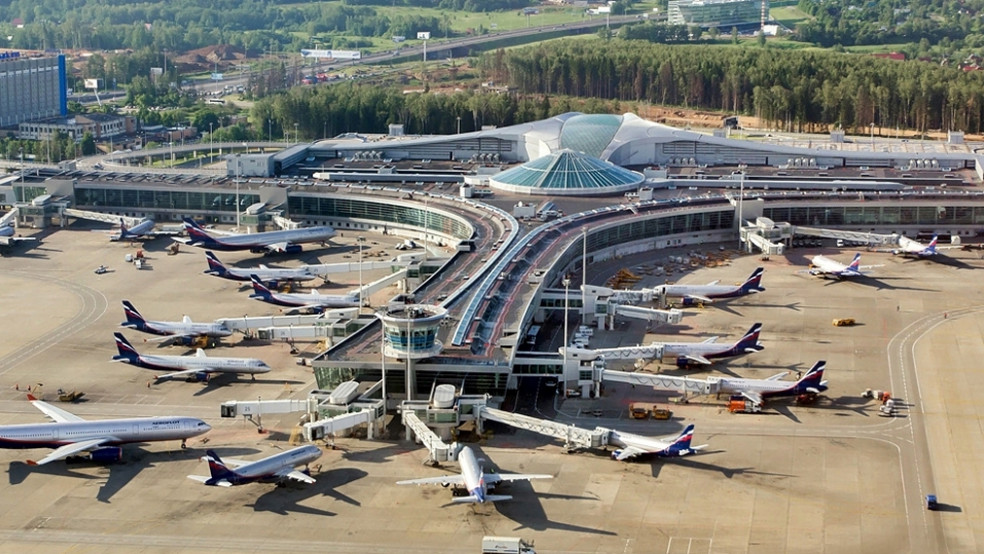
7. Russia 🇷🇺 – The Expansive Frontier
Russia’s 900+ airports connect one of the world’s most geographically diverse territories.
Why so many?
- Huge distances and remote settlements.
- Strategic and military importance.
- Harsh weather conditions necessitating regional air access.
For travellers: Flights between Moscow, Siberia, and the Arctic Circle reveal an unmatched range of landscapes.
Top Hubs: Moscow (SVO, DME), St. Petersburg (LED), Novosibirsk (OVB)
8. Germany 🇩🇪 – Precision and Connectivity
Germany’s 840 airports mirror its efficient transport infrastructure. With strong domestic and EU networks, air travel complements its famous train system.

Why so many?
- Dense population and industrial regions.
- Strategic position within Europe.
- Major logistics and cargo centres.
For travellers: Quick connections between major cities like Berlin, Frankfurt, and Munich, plus regional escapes to Bavaria or the Black Forest.
Top Hubs: Frankfurt (FRA), Munich (MUC), Berlin (BER)
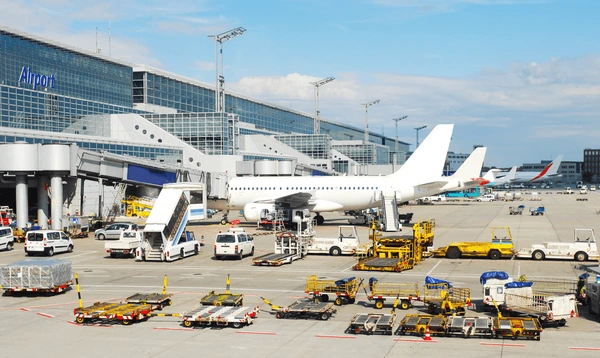
9. Argentina 🇦🇷 – The Southern Gateway
Argentina’s 750 airports link urban and remote landscapes from Patagonia to the Andes.
Why so many?
- Long distances and diverse terrains.
- Regional development and tourism expansion.
For travellers: Domestic flights make it easy to combine city experiences in Buenos Aires with natural adventures in Ushuaia or Bariloche.
Top Hubs: Buenos Aires (EZE), Córdoba (COR), Mendoza (MDZ)
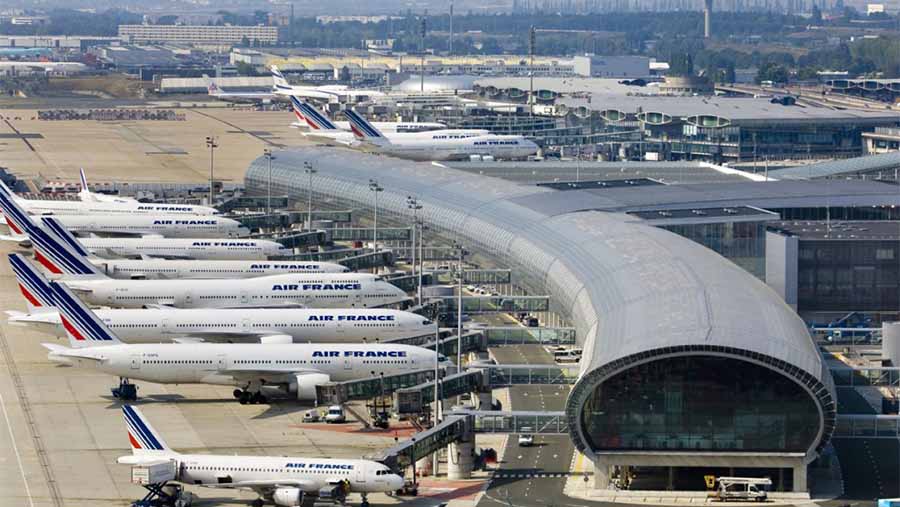
10. France 🇫🇷 – A Blend of Elegance and Reach
France rounds off the list with around 690 airports. From global icons like Paris-Charles de Gaulle to regional airfields in the Alps and Pyrenees, its network balances business and leisure.
Why so many?
- Tourism-driven regions and overseas territories.
- Strong integration with Europe’s Schengen travel routes.
For travellers: You can easily fly from Paris to Nice, Lyon, or Corsica, making quick getaways effortless.
Top Hubs: Paris (CDG, ORY), Nice (NCE), Lyon (LYS)
Why a Strong Airport Network Matters for Travellers ✈️
A country with a large number of airports offers:
- Greater route flexibility – more domestic and regional connections.
- Lower airfares – increased competition among airlines.
- Time savings – less dependency on long road or rail journeys.
- Accessibility – easier reach to rural and adventure destinations.
For travellers, it means more freedom to plan routes, explore lesser-known places, and customise itineraries.
Pro Tip: Always check for regional airports near your destination — they often offer cheaper flights and shorter travel times than major international hubs.
Final Thoughts 🌏
From the United States’ vast air grid to Australia’s outback routes and Europe’s compact connectivity, airports define how the world travels. Each runway tells a story of innovation, exploration, and connection.
So, the next time you plan a trip abroad, remember: the more airports a country has, the more doors there are to discovery.
Explore more aviation and travel insights at VurayTravels.com — your window to smarter, global journeys.
