

Introduction: When Nature Paints Its Own Canvas 🎨
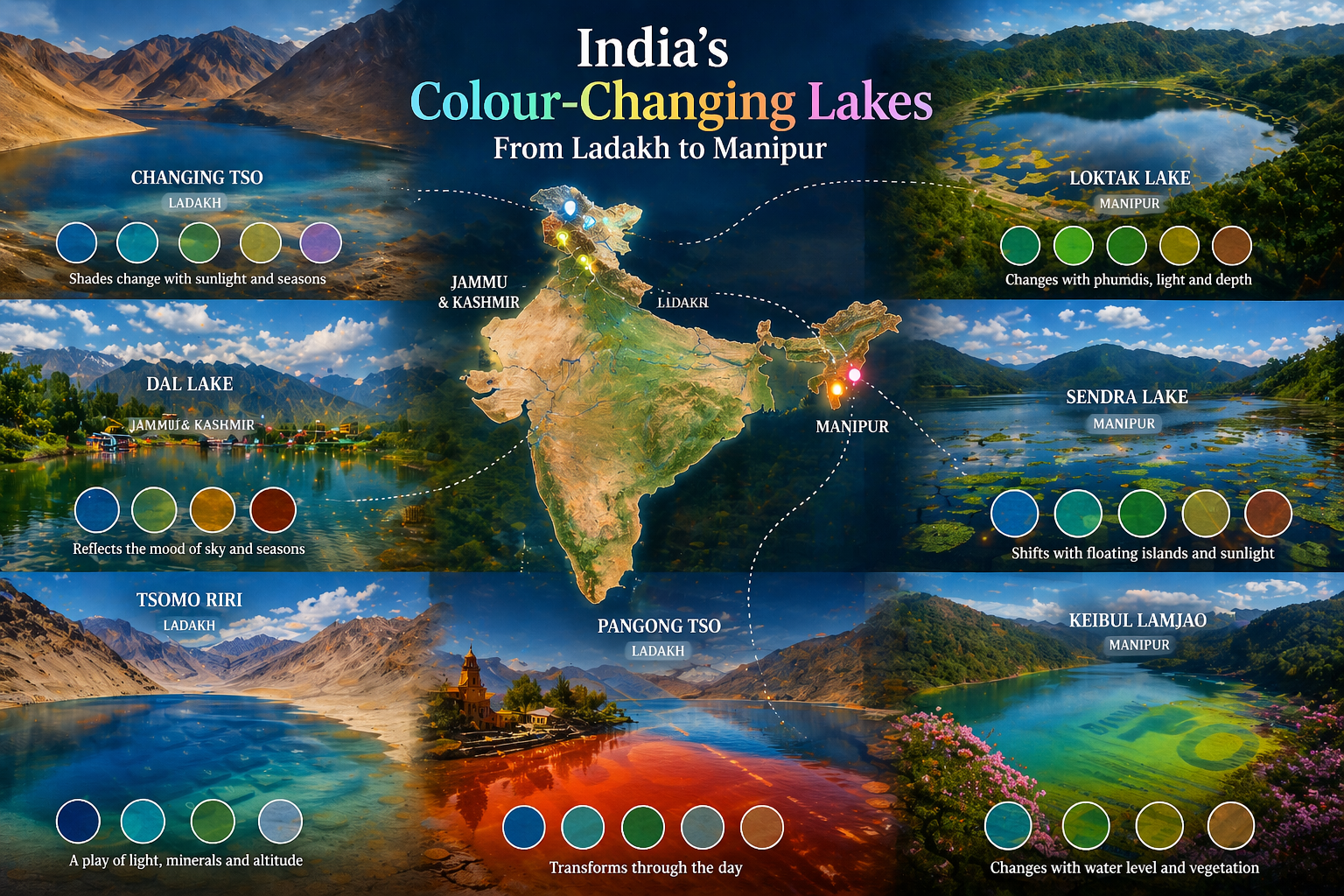
India is home to some of the most visually captivating lakes in the world – lakes that don’t just sparkle, but change colour with the passing seasons. Their hues shift with the play of sunlight, mineral content, algae growth, and surrounding reflections, creating a surreal natural show for travellers and photographers alike.
These water bodies aren’t just geographical wonders; they’re living ecosystems that respond to the world around them. Here are seven Indian lakes that transform in colour through the year and when to witness their most magical moods.
1. Pangong Tso, Ladakh 🌊
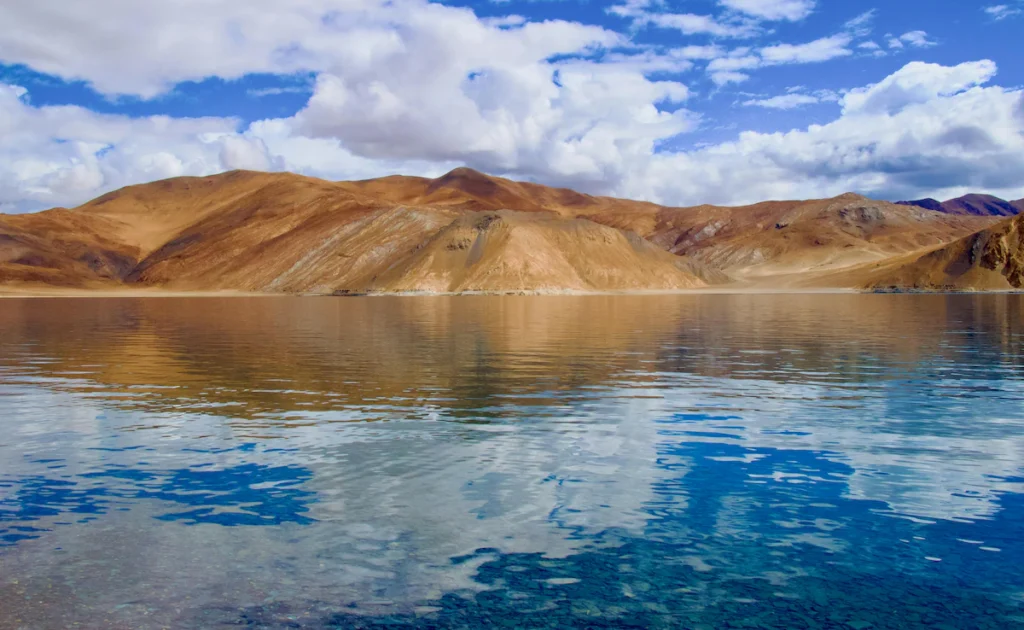
Arguably India’s most famous colour-changing lake, Pangong Tso sits at 14,270 feet in the Himalayas. Stretching from India into Tibet, it mirrors the sky with surreal intensity – shimmering turquoise by morning, turning sapphire blue at noon, and deep navy by dusk.
Why it changes colour: The lake’s glacial clarity, mineral composition, and sunlight reflection at high altitude cause dramatic shifts throughout the day.
Best time to visit: May to September – when it’s unfrozen and the summer sun enhances its vivid hues.
2. Lonar Crater Lake, Maharashtra 🌋
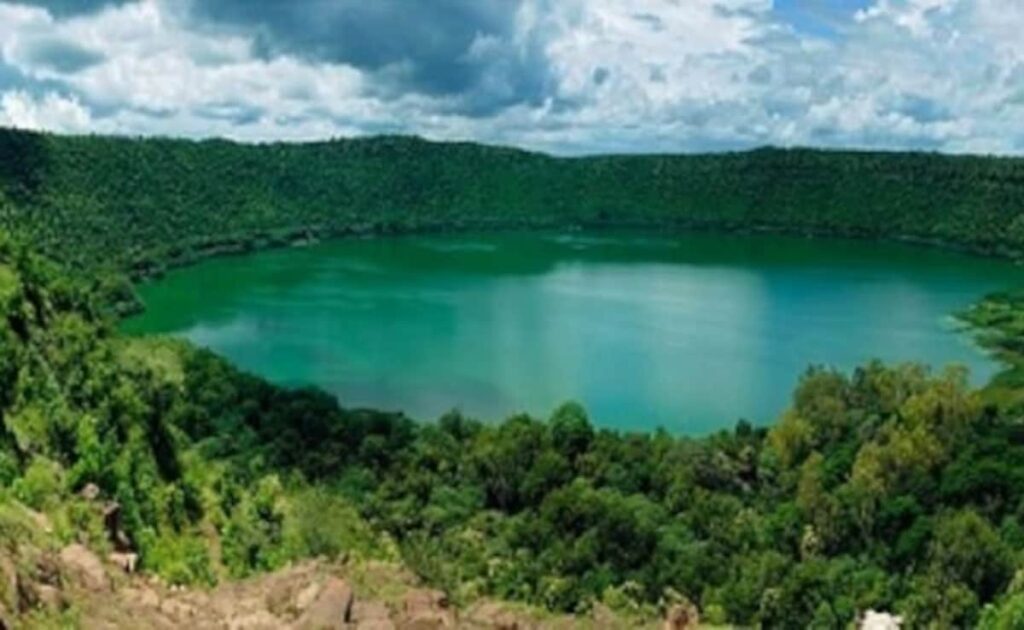
Born from a meteor strike nearly 50,000 years ago, Lonar Lake is one of Earth’s rare hyper-alkaline and saline lakes. It lies within a basalt crater and can shift from emerald green to pink – a phenomenon driven by microbial activity.
In 2020, it famously turned bubblegum pink, drawing global scientific attention.
Why it changes colour: Variations in salinity, temperature, and algae growth alter its chemistry and reflectivity.
Best time to visit: October to March for cool weather, or May–June if you hope to witness its pink transformation.
3. Tsomgo (Changu) Lake, Sikkim ❄️
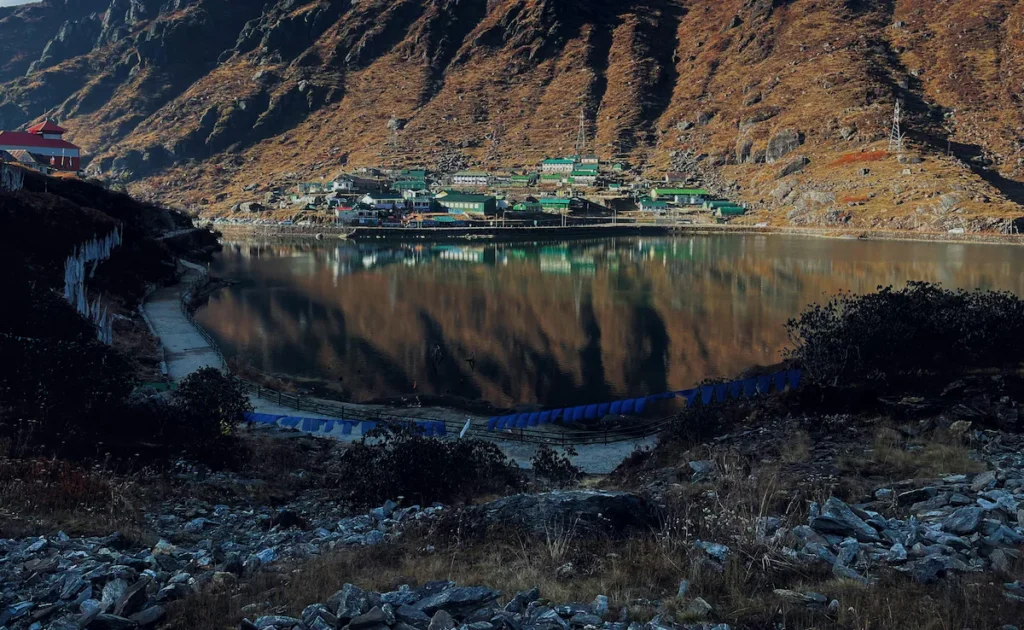
At 12,400 feet in East Sikkim, Tsomgo Lake mirrors the mood of the mountains. Frozen silver in winter, crystal aquamarine in spring, and lush green by summer, it feels almost enchanted.
Locals believe its colours reflect the moods of guardian deities – giving it spiritual significance.
Why it changes colour: Ice melt, seasonal algae, and mountain reflections constantly transform the lake’s tone.
Best time to visit: April to June for bright reflections; December to February for a snow-covered spectacle.
4. Manasbal Lake, Jammu & Kashmir 🌿
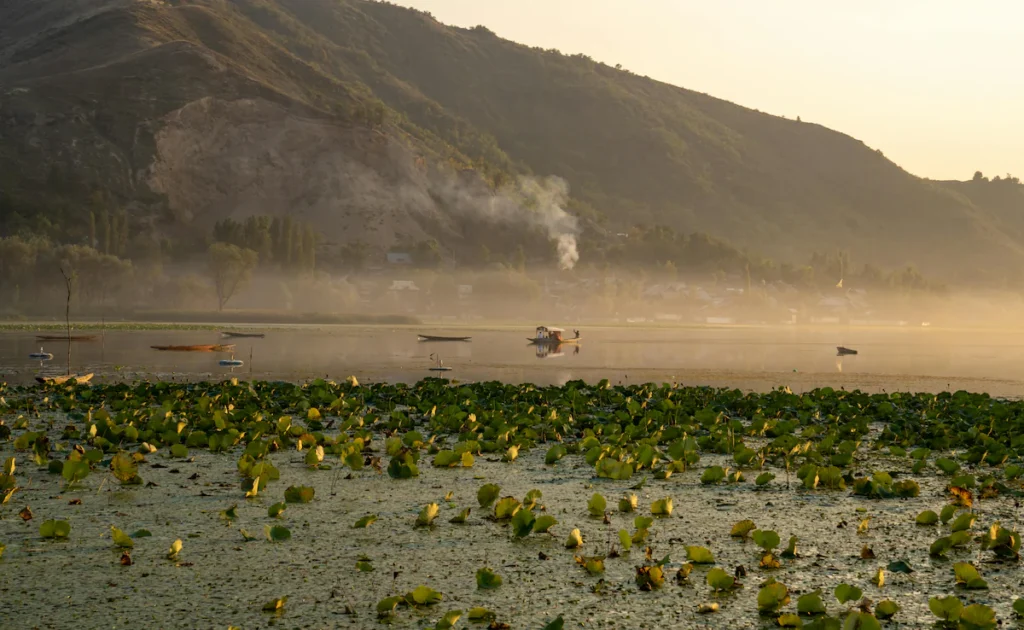
Dubbed the “jewel of Kashmir,” Manasbal Lake is the deepest freshwater lake in the valley. Its colour transforms from emerald green in spring to cobalt blue in summer, reflecting the changing canopy of chinar trees and aquatic blooms.
By late summer, its waters darken slightly as vegetation thickens, creating a mirror-like effect under the golden autumn light.
Why it changes colour: Seasonal algae and surrounding foliage alter light reflection on the surface.
Best time to visit: May to October for vibrant waters and pleasant weather.
5. Gurudongmar Lake, North Sikkim 🏔️
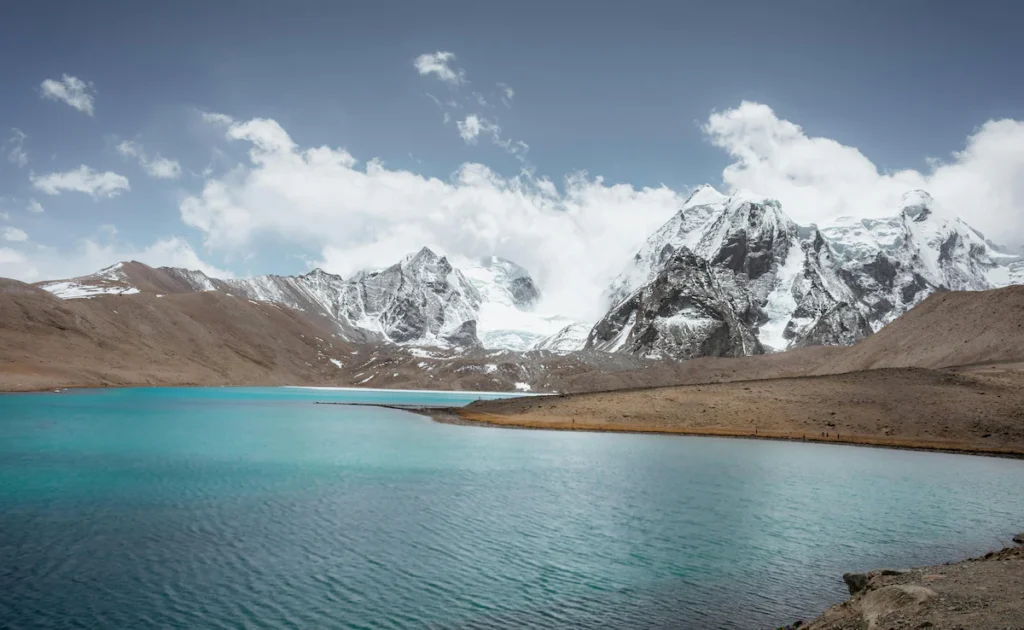
One of the highest lakes in the world, sitting at over 17,000 feet, Gurudongmar Lake is revered by locals and travellers alike. Depending on the season and sunlight, it changes from milky white in winter to brilliant turquoise or sapphire blue in summer.
Legend says Guru Padmasambhava blessed the lake centuries ago, ensuring part of it never freezes; a mystery that persists to this day.
Why it changes colour: The interaction between ice, sunlight, and sediment at high altitudes creates natural filtration and shifting hues.
Best time to visit: April to June and September to October before heavy snow cuts access.
6. Chandratal Lake, Himachal Pradesh 🌕
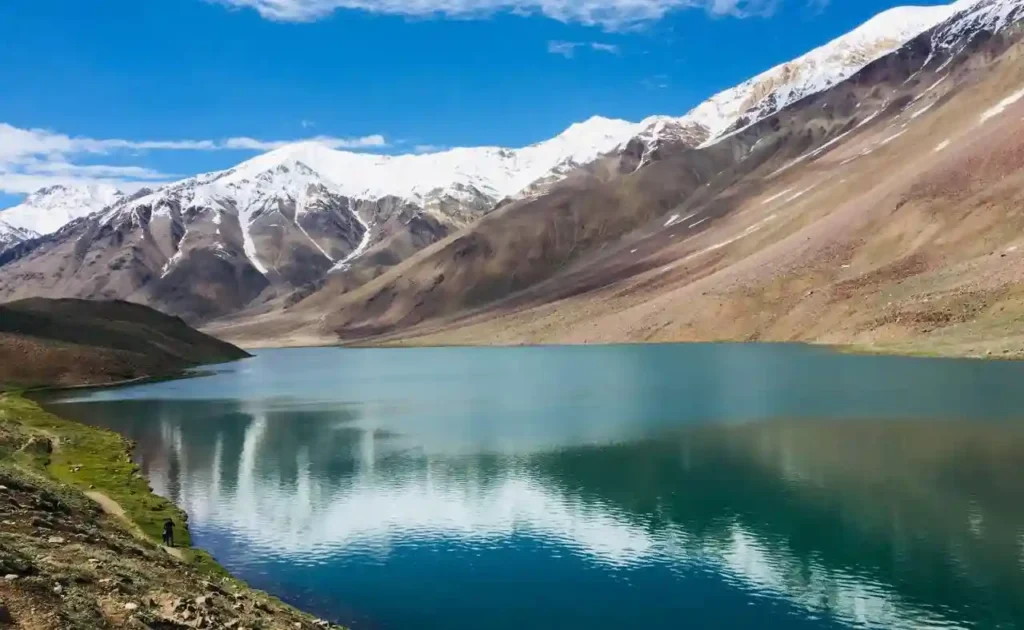
Tucked away in Spiti Valley at about 14,000 feet, Chandratal (Moon Lake) glows with celestial beauty. Its hues evolve from pale blue in the morning to emerald green at noon, and finally midnight blue at sunset.
Its still, mineral-rich waters mirror the barren Himalayan peaks, making it one of India’s most photogenic lakes.
Why it changes colour: Sunlight angles and glacial sediments refract light differently through the day.
Best time to visit: Late June to September – when the lake is accessible and surrounded by clear skies.
7. Loktak Lake, Manipur 🌾
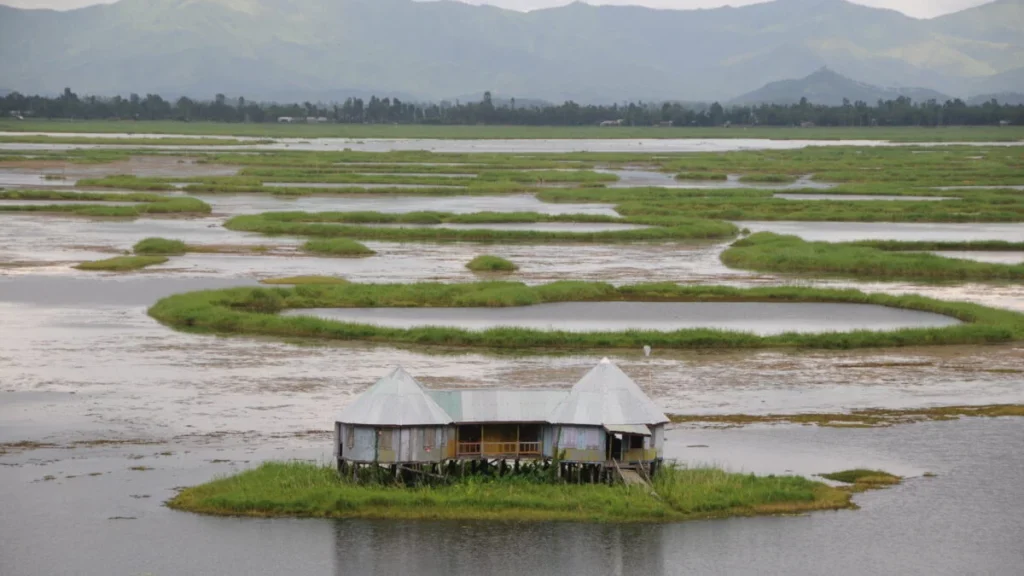
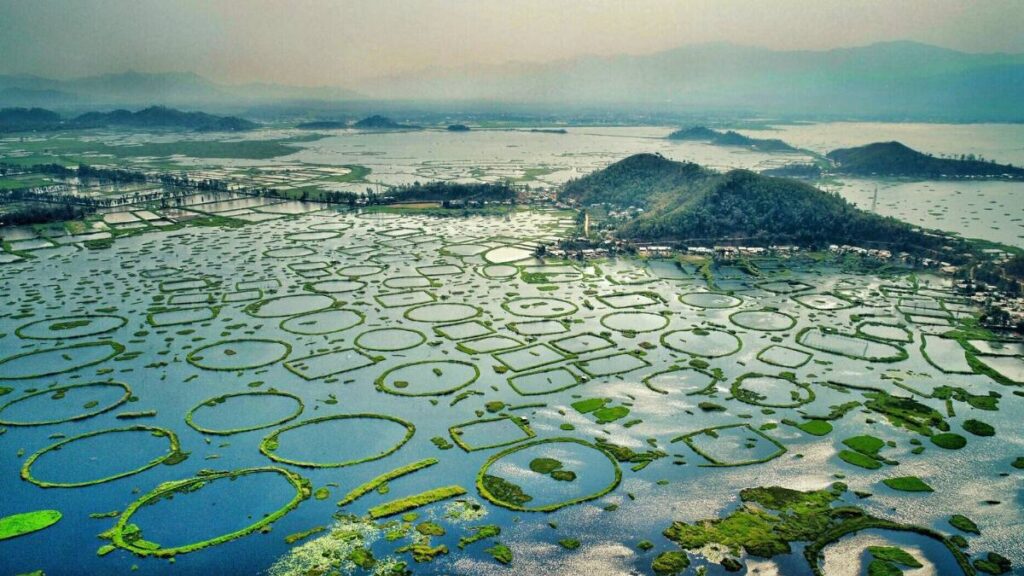
The largest freshwater lake in Northeast India, Loktak Lake is famous for its floating islands called phumdis. The lake shifts between bluish tones during monsoon and mossy green hues in winter, as vegetation expands and light changes.
From above, the patterns look like abstract art, ever-shifting and full of life. The lake is also home to Keibul Lamjao National Park, the world’s only floating wildlife sanctuary, where the endangered Sangai deer resides.
Why it changes colour: Seasonal vegetation and organic decomposition alter the water’s optical density.
Best time to visit: November to March – ideal for birdwatching and tranquil views.\
Final Thoughts: Nature’s Palette in Motion 🌤️
From Ladakh’s glacial blues to Manipur’s living greens, these lakes show us that nature is not static; it breathes, evolves, and surprises. Each change in hue is a dialogue between earth, light, and life itself.
For travellers, visiting these lakes isn’t just about chasing scenic photos, it’s about witnessing the artistry of the natural world unfold in real time.
So pack your camera, but more importantly, bring curiosity. These lakes aren’t just sights to behold; they’re stories in colour.
Discover more nature-inspired travel stories at VurayTravels.com.
