

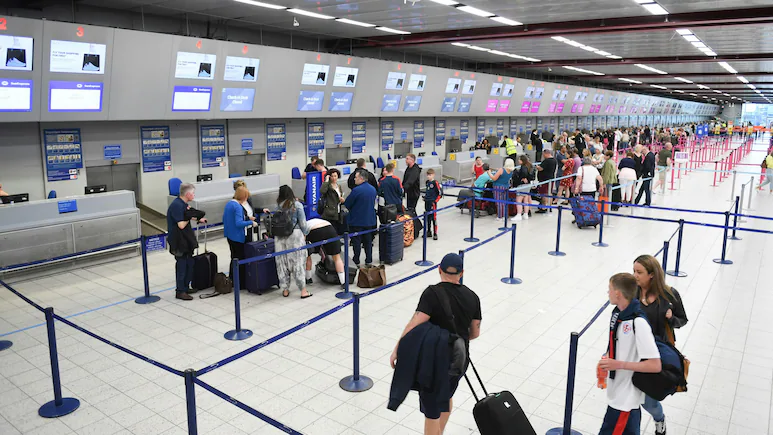
The Moment Of Truth At The Airport 🛫
You’ve waited for months for this trip. Your tickets are confirmed, your visa is stamped, your bags are packed perfectly and then comes the one part of travel that always makes people tense: immigration.
The line moves slowly, your palms feel clammy, and you start rehearsing answers in your head. You know you have nothing to hide, but still, that quiet intensity of an immigration officer staring at your passport makes even the calmest traveller second-guess their words.
Immigration officers are not trying to intimidate you. They are simply doing their job. But how you answer their questions can make or break your first impression. Even one careless sentence can flag you for additional questioning, cause delays, or in extreme cases, get you denied entry altogether.
This guide breaks down the 10 most common mistakes travellers make at immigration, what not to say, what to say instead, and how to pass through smoothly, confidently, and respectfully.
Why Immigration Officers Ask So Many Questions 🤔
Contrary to popular belief, immigration officers are not there to trip you up. Their job is to verify that:
- You are entering the country legally and for the right purpose.
- You have the means and intention to return home after your trip.
- You are not a risk to national security, public safety, or the local economy.
Everything they ask; from “Where are you staying?” to “What do you do for a living?”, is part of a psychological and procedural check. Your words, tone, and body language all contribute to the officer’s assessment.
1. “I Don’t Know Where I’m Staying.” 🚫
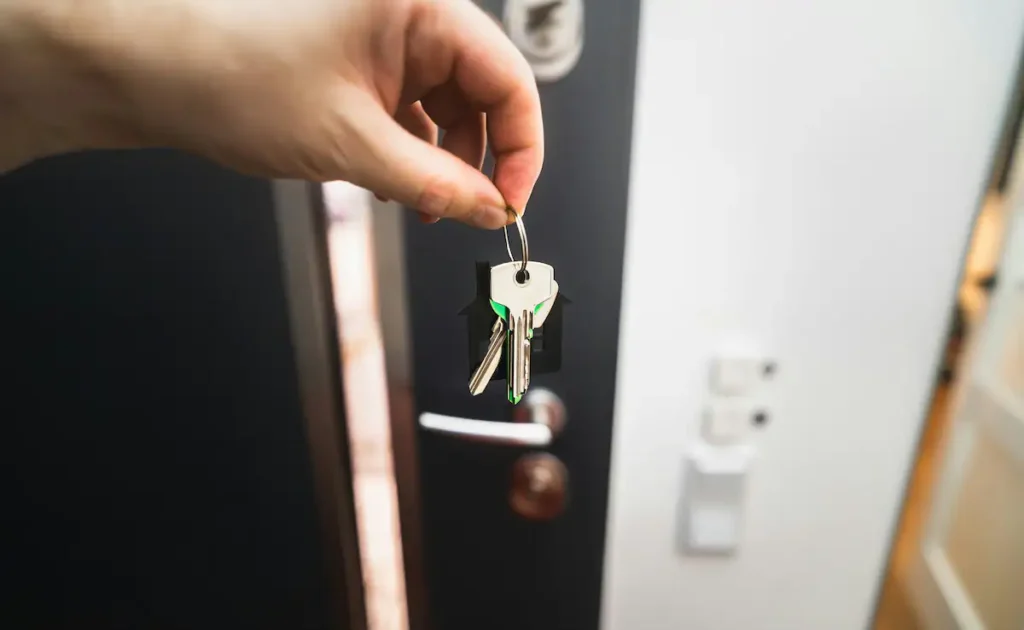
This is one of the fastest ways to raise suspicion. Even if you plan to book a hotel after landing, saying you have no accommodation booked makes you sound unprepared or worse, like someone who might overstay or disappear.
✅ What To Do Instead:
Always have one confirmed hotel reservation, Airbnb address, or the contact details of your host. Even if it’s cancellable, keep a printed copy ready. This shows you’re organised and have a plan.
Pro tip: Write the full hotel name and address on a small notecard so you can read it clearly if asked.
Why It Matters: Immigration officers need to confirm that you know where you’ll be staying, it’s part of establishing your intent as a temporary visitor.
2. “I’m Here To Work.” 💼

Unless you have a valid work visa, this is a dangerous statement. Even if you mean you’re attending a conference or meeting clients, the word “work” immediately triggers suspicion.
✅ What To Do Instead:
If you’re attending meetings or business events, say:
“I’m visiting for a short business trip to attend meetings and return next week.”
Or,
“I’m here on a business visa for training, my employer in India is sponsoring my stay.”
Why It Matters: Most tourist or visitor visas prohibit paid work. Using the wrong word can be interpreted as intent to work illegally.
Pro tip: Know your visa type and what it allows. Consistency between your words and visa category matters more than confidence.
3. “I’m Just Visiting A Friend I Met Online.” 💬
This may sound harmless, but it’s a classic red flag. Immigration officers are wary of vague relationships, especially if you can’t provide details like your friend’s full name or address.
✅ What To Do Instead:
Say:
“I’m visiting a friend who lives in London. We’ve known each other for a year and I’ll be staying in a hotel nearby.”
Keep details factual and minimal. Avoid oversharing emotional or personal stories.
Why It Matters: Vague answers trigger deeper questioning about your intentions, especially in countries with strict visitor entry rules.
Pro tip: If you’re staying with someone, have their invitation letter and a copy of their ID handy.
4. “I Don’t Have A Return Ticket.” 🎫

This is one of the biggest immigration red flags. Not having proof of return or onward travel suggests you may intend to overstay.
✅ What To Do Instead:
Even if you’re unsure of your return date, book a refundable or flexible return ticket. You can always change it later.
Why It Matters: Every country wants assurance that you will leave before your visa expires. Showing a ticket helps prove that.
Pro tip: Some travellers use “onward ticket” services that generate valid reservations for short-term proof. Just ensure they’re legitimate.
5. “I’ll Figure It Out When I Get There.” 🗺️
Being spontaneous is great for adventure, not immigration. Saying you have no plan can sound careless or suspicious.
✅ What To Do Instead:
Share a basic itinerary; even if it’s flexible. For example:
“I’ll be in Paris for three days, then Lyon for two, before heading back.”
Why It Matters: Officers want to see that you’re a genuine tourist, not someone entering without a purpose or plan.
Pro tip: Keep a printed list of places you want to visit or tickets for any tours you’ve booked. It adds credibility.
6. Joking About Drugs, Bombs, Or Crime 💣

It might seem obvious, but countless travellers have learned the hard way that airport humour doesn’t fly. Even sarcastic jokes about drugs, weapons, or bombs can get you detained or fined.
✅ What To Do Instead:
Keep your tone polite, calm, and serious. If you’re nervous, take a deep breath before speaking.
Why It Matters: Airports are high-security zones, and staff are trained to treat all such comments as threats, even if made in jest.
Pro tip: Avoid jokes even in your native language. Many airports have multilingual officers or interpreters.
7. “I Don’t Have Much Money.” 💵
This one can immediately derail your entry. Immigration officers need to confirm that you can financially support yourself during your stay.
✅ What To Do Instead:
Say confidently:
“I’ve budgeted for my trip and have enough funds for the duration of my stay.”
If asked, show proof. Recent bank statements, a credit card, or cash.
Why It Matters: Financial readiness assures officers you won’t need to work or seek help illegally.
Pro tip: Carry printed proof of funds in your name and avoid fumbling if asked for it.
8. “I Don’t Know Much About My Visa.” 📑
If you seem confused about your visa terms; duration, purpose, or conditions, you could get flagged.
✅ What To Do Instead:
Know exactly what your visa allows. For example, if you’re on a Schengen tourist visa, you can say:
“It’s a short-stay visa valid for 15 days. I’ll be leaving before it expires.”
Why It Matters: Clarity about your visa shows you’re informed and responsible.
Pro tip: Read your visa details carefully before your trip. Officers appreciate travellers who know their paperwork.
9. “I’m Not Sure Who’s Paying For My Trip.” 💳
If your trip is funded by a friend, family member, or employer, be ready to explain. Saying “someone else is paying” without details can sound suspicious.
✅ What To Do Instead:
Say:
“My parents are sponsoring my vacation. Here’s a copy of their financial statement and a sponsorship letter.”
Or,
“My company is covering my expenses, here’s my official letter of invitation.”
Why It Matters: Immigration officers need to verify that your funding source is legitimate and transparent.
10. “I’m Only Going For A Few Days” (When Your Visa Says Longer) 📆
Downplaying your travel duration when your visa clearly shows a longer stay creates inconsistency and that’s a major red flag.
✅ What To Do Instead:
Be honest:
“My visa allows 30 days, but my current itinerary is for 10 days. I may return earlier depending on plans.”
Why It Matters: Officers cross-check your statements with your documents. Consistency is the golden rule.
What Happens If You Say The Wrong Thing? 😬
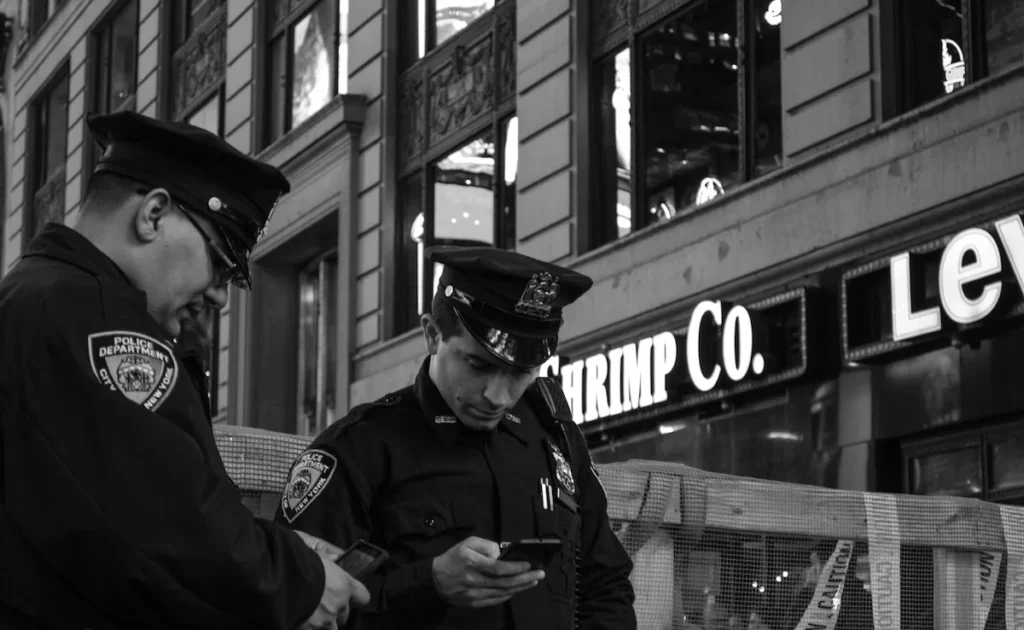
Saying the wrong thing won’t always get you deported, but it can easily lead to secondary inspection, a deeper round of questioning where officers verify your intent, luggage, and documents.
You may be:
- Asked to sit aside for extended questioning.
- Asked to unlock your phone or laptop.
- Asked for proof of funds, hotel bookings, or employment.
In rare cases, if inconsistencies persist, your visa can be cancelled and you might be put on a return flight.
Pro tip: Always stay calm and polite; officers notice cooperation as much as they notice nervousness.
6 Golden Rules For Smooth Immigration 🌍
- Be Honest But Precise. Don’t ramble or over-explain. Short, clear answers work best.
- Keep Documents Handy. Always carry printed copies of your hotel, return ticket, and funds.
- Match Your Story To Your Visa. If you’re on a tourist visa, your answers should reflect tourism, not business or employment.
- Dress Neatly. It subtly signals that you take the process seriously.
- Stay Calm, Even If Questioned Repeatedly. Confidence and composure often determine how smoothly you’re processed.
- Never Argue. Immigration officers have final authority; politeness always wins.
Can Immigration Officers Check Your Phone? 📱
In some countries like the US, Canada, and the UK, officers can request access to your phone or social media to verify intent. It’s rare, but within their legal rights.
What You Can Do:
- Keep your phone unlocked if asked.
- Avoid carrying sensitive or contradictory information (like job offers on a tourist visa).
- Stay calm; refusal can appear suspicious.
What Documents Are Essential For Immigration 📂
Before you reach the counter, ensure you have:
- Valid passport (with at least six months validity)
- Visa (if applicable)
- Return or onward ticket
- Proof of accommodation
- Proof of funds
- Invitation letter (if visiting friends/family)
- Travel insurance (recommended)
Keep both digital and printed copies in case of connectivity issues.
