

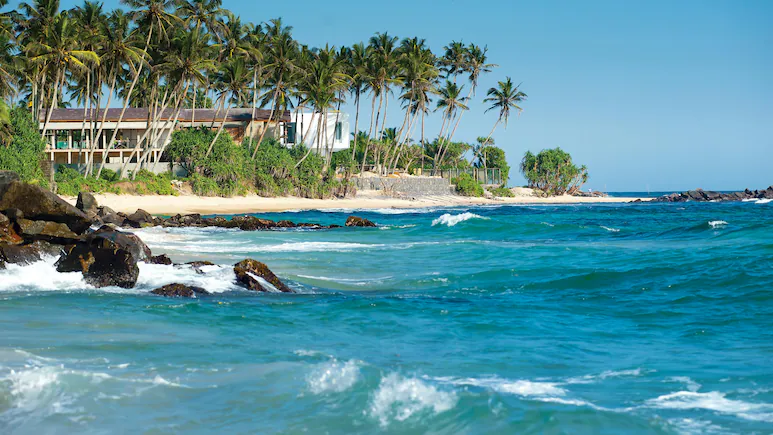
Why Sri Lanka is the Perfect Budget International Trip for Indians
Close to India, compact, rich in nature and culture, and (very importantly) cheap to explore; Sri Lanka ticks nearly every box for budget-conscious travellers. You’ll trade long flights and complex visas for a friendly island where trains are scenic, food is affordable, guesthouses are cosy, and a 7-day loop of beaches, tea country, wildlife and ancient ruins is totally doable within ₹40,000 if you plan sensibly.
Two facts that make budgeting easier right away: return flights from major Indian cities frequently drop into an affordable range when booked in advance, and everyday transport (trains, buses, tuk-tuks) is much cheaper than equivalent local travel in many other international destinations. Recent policy moves have also made travelling easier for Indians. Sri Lanka introduced a tourist visa policy that includes relaxed arrangements for Indian travellers (check the current official site before you travel).
The Big Picture Budget (Target: ₹40,000)
Below is the target budget we’ll build toward and explain in detail.
Planned baseline (per person)
- Flights: ₹10,000-₹12,000 (book early)
- Accommodation (6 nights): ₹7,000-₹8,000
- Food: ₹5,500-₹6,000
- Transport (trains, buses, ferries, tuk-tuks): ₹2,000-₹3,000
- Sightseeing & activities (including one paid attraction + safari): ₹6,000-₹7,000
- Misc / shopping / buffer: ₹3,000-₹4,000
Estimated total: ₹37,500-₹40,000
We use cheap flights, mid-range budget stays (guesthouses / homestays), public transport and one or two paid highlights (Sigiriya entry, a wildlife jeep safari). The remainder of experiences are free or low cost; beaches, tea walks, scenic train rides, and temple visits.
When to Go: Timing Is Everything for a Budget Trip
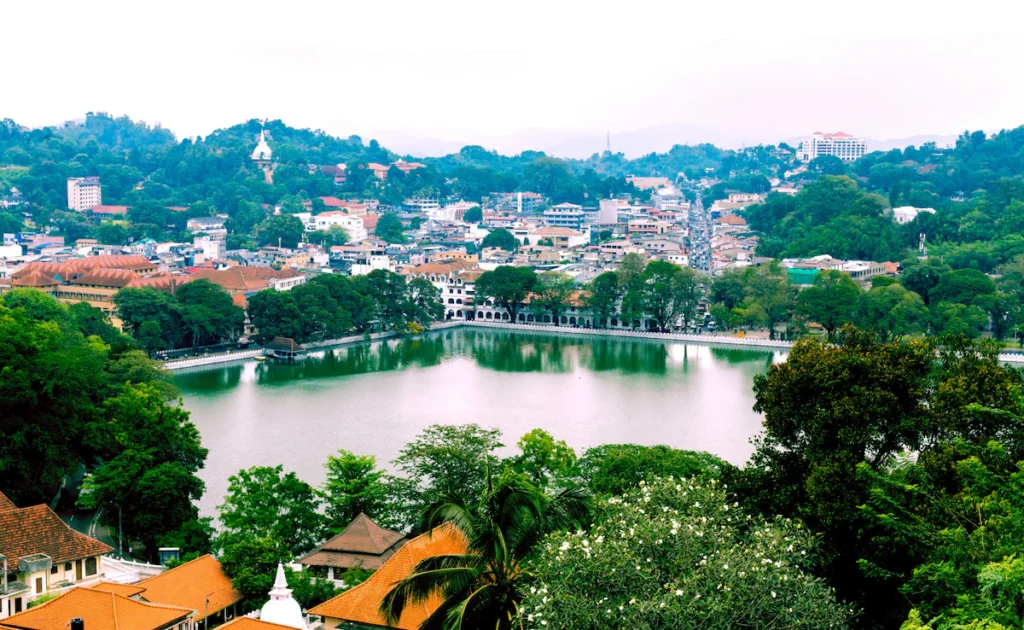
Sri Lanka runs two monsoon seasons across different coasts. For a 7-day loop that hits the Cultural Triangle (Sigiriya/Kandy), Hill Country (Ella/Nuwara Eliya) and the south-west beaches (Mirissa/Unawatuna), the shoulder seasons (September-November and April-June) are ideal; fewer tourists, lower hotel rates, and generally agreeable weather in the areas you’ll visit. Peak season (December-March) is prettier on the south coast but prices spike. Off-season (May-August) may bring heavier rains in parts but also big discounts. Plan accordingly.
Flights: How Much to Budget and Where to Look
Flights are the single biggest variable. From major Indian metros, round trips to Colombo often range from ₹8,000 to ₹25,000 depending on timing, route and how early you book. In practice, if you look for sales and book 6-8 weeks in advance, round trips around ₹10,000-₹12,000 are commonly available from southern and eastern Indian cities; northern routes may be a touch higher. Current flight search snapshots show fares vary by carrier and season; typical advertised prices for Delhi-Colombo are in the ₹12,000-25,000 band at time of writing.
Flight-booking tips
- Use price trackers (Google Flights, Skyscanner) and set alerts.
- Fly mid-week (Tues/Weds) for lower fares.
- Check low-cost carriers and full-service airlines; sometimes a brief sale on a full-service carrier beats a budget airline once fees are added.
- If you live in South India, flights are usually cheaper and shorter; good reason to start there if you can.
Aim to allocate ₹10k-12k to the flight line in your budget.
Visas & Entry (Important): What Indian Travellers Should Know
Sri Lanka has been rolling out visitor-friendly visa arrangements; a pilot program included visa concessions for Indian citizens as one of many steps taken since 2024 to boost tourism. Always check the official Sri Lankan immigration/ETA website before travel to confirm current rules, visa fees, and duration. This step is fast and typically inexpensive when done online.
Getting Around Cheaply: Trains, Buses, and Tuk-Tuks
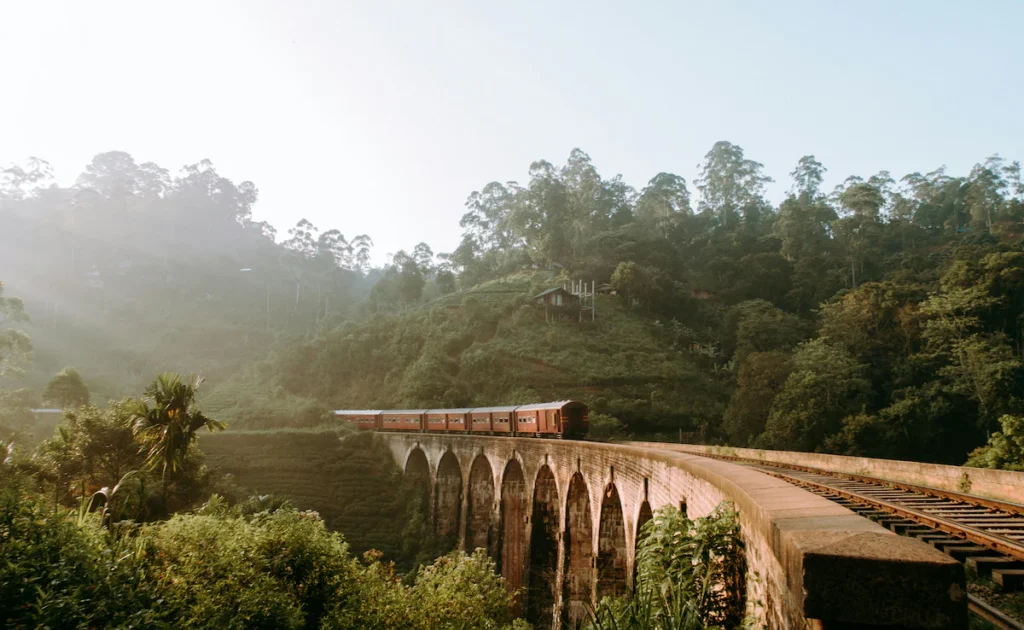
Train travel is not only economical, it’s one of Sri Lanka’s great travel experiences. Scenic runs like Colombo → Kandy and Kandy → Ella are famous: ticket prices are very low compared with many international standards, with typical fares often in the range of a few hundred rupees depending on class (second/third class are cheap; observation seats or 1st class reserved seats cost more). Recent practical guides show Colombo-Kandy fares commonly fall under ₹300 depending on class.
Buses are the cheapest way to travel between towns (₹50-₹200 typical short/intercity fares). Local buses are often packed but are a genuine budget travel hack.
Tuk-tuks are cheap for short hops (negotiate or insist on the meter where available); for longer transfers get a private car or share a taxi if you’re in a small group.
Budget allocation: plan ₹2,000-₹3,000 for internal travel across 7 days if you mainly use trains, local buses and occasional tuk-tuks.
Where to Stay: Comfortable Guesthouses That Won’t Break the Bank
Sri Lanka’s guesthouse scene is excellent; hospitable families, decent rooms, and breakfasts included. A simple nightly budget of ₹1,000-1,800 will get you a clean private room in most places. Here’s a suggested stay plan that keeps costs low and travel efficient:
- Night 1 – Colombo/Negombo: Budget guesthouse or beach homestay (₹1,200-₹1,800)
- Night 2 – Kandy: Homestay close to Temple of the Tooth (₹1,000–₹1,400)
- Night 3 – Sigiriya/Dambulla: Simple guesthouse (₹1,000–₹1,500)
- Night 4 – Nuwara Eliya / Ella (train night to Ella): Budget B&B (₹1,200–₹1,800)
- Night 5 – Ella: Small guesthouse with mountain view (₹1,000–₹1,800)
- Night 6 – Mirissa/Unawatuna: Beach cottage or cheap hotel (₹1,200–₹1,800)
For 6 nights, this pattern comfortably fits the ₹7,000–₹8,000 accommodation budget if you book ahead and avoid peak season.
Booking tip: Use a mix of platforms. Booking.com, Agoda, and local guesthouse Facebook pages. Sometimes arriving and negotiating gets you a better nightly rate for longer stays, but if you’re travelling peak season, pre-book.
Food: Local Flavours That Are Delicious and Cheap
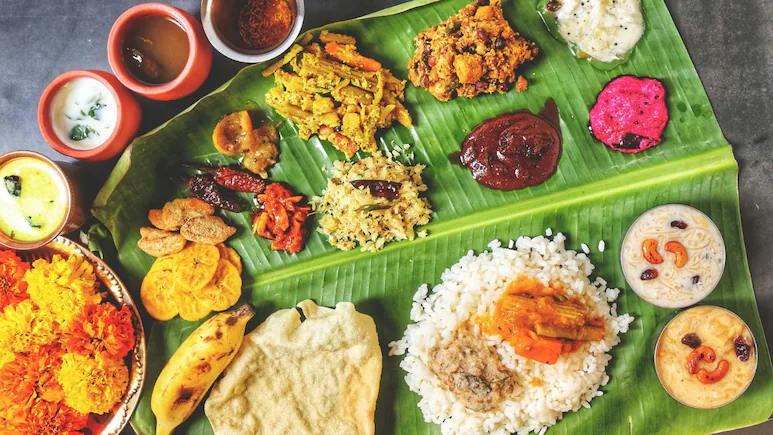
Sri Lankan cuisine is a joyful, coconut-rich cousin of South Indian flavours with distinct twists, rice and curry, hoppers (appa), string hoppers, kottu, seafood curries, sambols, and fresh tropical fruits.
Typical costs:
- Street/local eatery meal: ₹120–₹250
- Nice local restaurant: ₹350–₹600
- Seafood meal at a beach shack (mid-range): ₹500–₹900
Weekly food budget estimate (7 days): ₹6,000: this allows for three meals a day including a couple of splurges (seafood dinner, specialty dessert, etc.). If you primarily eat at local cafés and food stalls your bill will be lower.
Vegetarian/vegan: Sri Lanka is friendly for vegetarians, rice & curry plates and dhal curries are abundant. Hindustani palates tend to adapt well.
Top Paid Sights & How Much to Budget for Them

You’ll want to mix free and paid experiences. Two line items that matter for cost planning:
Sigiriya Rock Fortress (Sigiriya Lion Rock)
- Ticket prices vary by nationality and often include SAARC discounts. Typical published international fees are around US$30 for many foreign visitors; SAARC rates are lower (around US$15). Expect local fluctuations and always check the official ticketing info or a trusted local tour operator. Budget ₹2,000–₹3,000 for admission and local transport.
Yala National Park Safari (Wildlife)
- Safaris vary by block and length. A reasonable mid-range estimate for a half-day jeep safari tends to be in the LKR range shown on park or operator sites, which converts to roughly ₹2,500–₹6,000 depending on operator, block and group size. Book with reputable operators; sometimes combining transport and safari as a package is cheaper per person when shared.
Other standard fees: Temple donations (small), museums and some gardens usually charge modest entry fees under ₹500–₹1,000.
Total sightseeing allocation: ₹6,000–₹7,000 gives you room for Sigiriya, one safari, a couple of temples and local attractions.
7-Day Sri Lanka Budget Itinerary (Optimized for Cost & Experience)
This loop covers the Cultural Triangle, Hill Country scenic train and a coastal unwind day; designed to keep transport efficient and costs low.
Day 0: Fly into Colombo (evening or early morning arrival)
- Land at BIA (Bandaranaike), transfer to Negombo or Colombo city area (tuk-tuk or shuttle). Overnight guesthouse.
- Why night 0? Reduce fatigue; early start Day 1.
Day 1: Colombo → Kandy (train or AC bus)
- Morning: Colombo city snapshot (Gangaramaya Temple, Galle Face Green if time).
- Afternoon: Take train or bus to Kandy (train scenic; book reserved seats if preferred).
- Evening: Walk around Kandy Lake, watch cultural dance if you want (moderate cost).
Stay: Kandy guesthouse.
Day 2: Explore Kandy & Travel to Sigiriya area
- Morning: Temple of the Tooth (small fee).
- Afternoon: Bus/taxi to Dambulla/Sigiriya area. Check into guesthouse.
Tip: Dambulla Cave Temple is inexpensive and worth a quick stop.
Stay: Sigiriya/Dambulla guesthouse.
Day 3: Sigiriya Rock & Polonnaruwa (optional)
- Early morning climb of Sigiriya Rock (cooler, fewer crowds). Cost as noted (SAARC discount often applies).
- Afternoon: Optional half-day to Polonnaruwa ruins if budget/time allows (bus + entry).
Stay: Overnight again in Sigiriya/Dambulla.
Day 4: Transfer to Nuwara Eliya/Ella by road or via Kandy (start tea country leg)
- Long travel day but scenic. Consider a combination of bus and train or private transfer if you can split cost.
- Evening: Relax in hill town (tea plantations, cool air).
Stay: Nuwara Eliya/Ella area guesthouse.
Day 5: Scenic Train to Ella (if not already in Ella)
- Take the famous Kandy → Ella or Nanu Oya → Ella train if possible. The views are worth the time (book a reserved observation seat if you can). Costs are low for 2nd/3rd class; reserved 1st/observation cost more but still reasonable.
- Hike Little Adam’s Peak or visit Nine Arch Bridge.
Stay: Ella guesthouse.
Day 6: Head south to Mirissa/Unawatuna (beach day)
- Travel to the southern coast (bus/coach or shared/private transfer). Afternoon beach time; attempt a whale-watch (seasonal) or simply relax.
Stay: Mirissa/Unawatuna beach guesthouse.
Day 7: Return to Colombo for flight home
- Make your way back to Colombo (coach or private transfer depending on timing). Last-minute shopping at Pettah Market if time. Fly home.
This loop keeps distances realistic and matches public transport schedules while allowing you to experience Sri Lanka’s variety.
Money Matters: How to Exchange & Carry Cash
- Best exchange: SuperRich and authorised money changers in Colombo usually offer the best rates. Avoid airport changers for large sums.
- Cards: ATMs are widely available in cities; smaller towns may have limited cash access. Carry some Sri Lanka Rupees (LKR) for tuk-tuks and minor purchases.
- Tipping: Not mandatory, but small tips are appreciated in service settings.
Safety, Health & Practical Tips
- Safety: Sri Lanka is generally safe for tourists. Common caution: beware of petty theft in busy markets; keep valuables secure.
- Water: Drink bottled or filtered water; carry a refillable bottle and purify with tablets if needed.
- Health: Mosquito repellant for evenings on the coast; basic travel insurance is recommended.
- Connectivity: Local SIMs (dialog, mobitel) are cheap and easy to buy at the airport or city kiosks.
Final Budget Recap (Example)
| Category | Cost (₹) |
|---|---|
| Flights (early booking) | 11,000 |
| Accommodation (6 nights) | 7,500 |
| Food (7 days) | 6,000 |
| Transport (trains, buses, tuk-tuks) | 2,500 |
| Sightseeing & Safari | 7,000 |
| Misc / Buffer / Shopping | 5,000 |
| Total (approx) | 39,000–40,000 |
This leaves a small buffer for minor splurges. If you want to reduce costs further, skip the safari or buy cheaper train tickets/3rd class seats.
Responsible Travel Notes
- Respect local culture: dress modestly at temples; remove shoes where required.
- Avoid leaving plastic waste on beaches: Sri Lanka is working on sustainability.
- Support local businesses: small homestays and roadside cafés benefit local communities more directly than big chains.
Quick Packing Checklist (Print & Go)
- Passport with at least 6 months validity and visa/ETA printout
- Flight tickets & hotel booking confirmations (digital + print)
- INR & small LKR cash, plus cards
- Light rain jacket (shoulder seasons can rain)
- Comfortable walking shoes, hat, sunscreen
- Mosquito repellent, basic medicines, hand sanitizer
- Power adapter (Sri Lanka uses Type D/G)
- Copies of important documents in phone/cloud
FAQ — Quick Answers Indian Travellers Ask
Q: Do Indians need a visa to Sri Lanka?
A: Visa rules have been eased in recent years; check the official Sri Lankan ETA/immigration site before travel for the most current policy. Some pilot programs offered free tourist visas for certain nationals; confirm current status online.
Q: How scenic & how much for the Colombo–Kandy train?
A: The route is scenic and fares are modest. Many travelers report Colombo→Kandy in the low hundreds of rupees depending on class. Reserve early for a seat during peak periods.
Q: Is Sigiriya worth the price?
A: Yes, it’s one of Sri Lanka’s most iconic attractions. Ticket rates vary by nationality, with SAARC discounts. Expect to spend a couple of thousand rupees for admission and local costs.
Q: How much does a Yala safari cost?
A: Prices vary by operator and block. Half-day safaris commonly convert into a few thousand rupees per person; full-day safaris cost more. Book a reputable operator and expect to pay in that range.
Helpful Resources & References
- Sri Lanka official visa/ETA website, check current visa policy before travel.
- Flight price snapshots & trackers (Skyscanner / Google Flights), used for airfare benchmarks.
- Train fares & schedules, Sri Lanka Railways / travel guides for practical booking tips.
- Sigiriya & national park official info / local tour operators for up-to-date fees and safari block availability.
Final Thought
Sri Lanka proves one thing clearly: you don’t need a huge budget to experience an international holiday that’s rich in variety. For roughly ₹40,000, an Indian traveller can enjoy beaches, tea country, an ancient rock fortress, a wildlife safari, scenic trains and the warmth of Sri Lankan hospitality in a compact 7-day trip. Plan smart, travel light, and leave room for the small moments that make travel unforgettable.
