

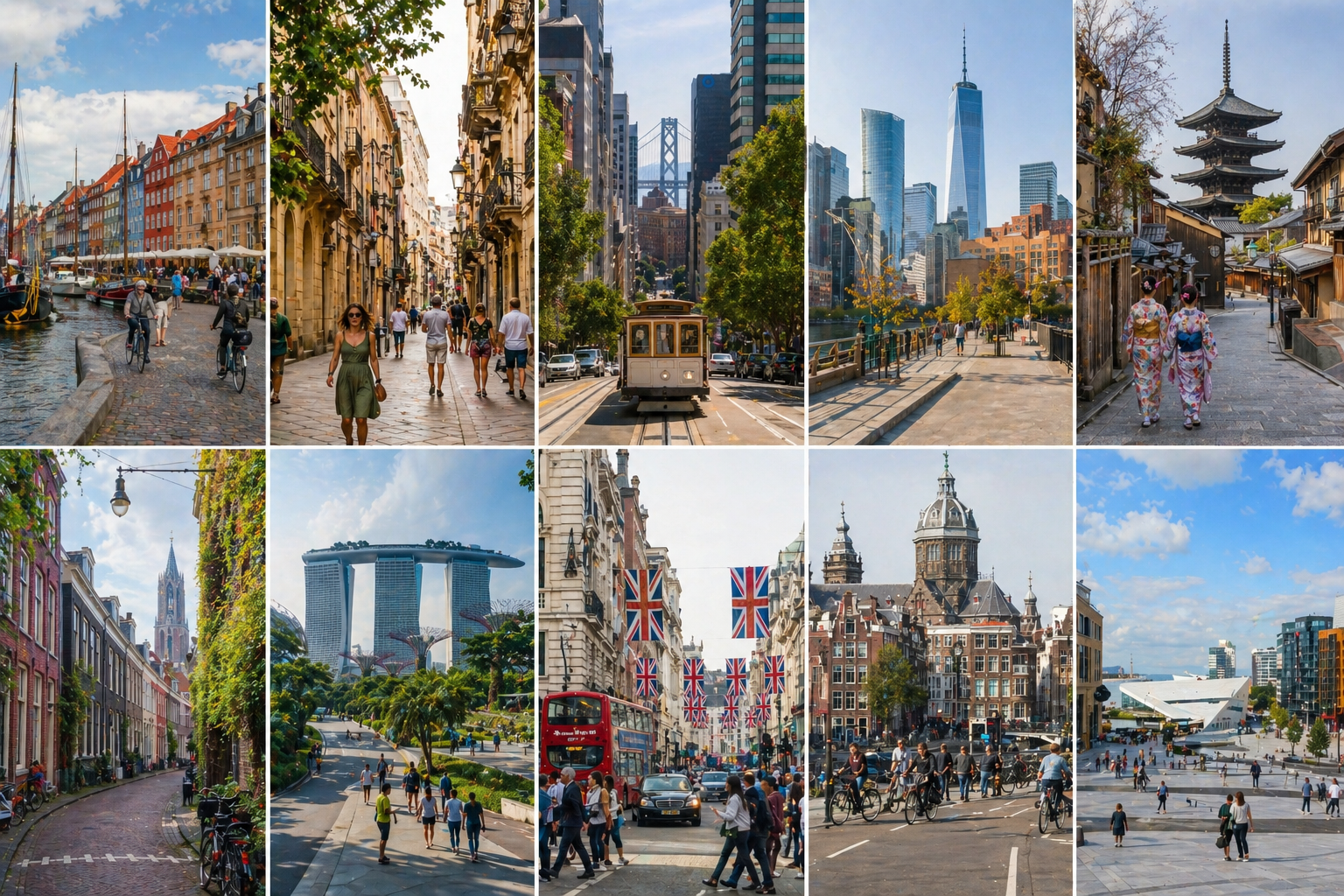
Why walking could be the ultimate luxury in modern travel.
Introduction: Why Walkability Is the New Measure of a Great City
There was a time when travel guides rated destinations by their nightlife, restaurants, or skyline views. But in 2025, as sustainability and slow travel reshape global tourism, a new metric defines the true beauty of a city, its walkability.
A walkable city doesn’t just save you cab fare; it lets you feel the pulse of a place. It’s where you can step out of your hotel and within minutes, find yourself amid street cafés, boutique stores, art corners, and parks filled with locals on their daily strolls.
According to a recent global study by Compare The Market, an Australian price comparison platform, Munich (Germany) tops the list as the most walkable city in the world. The study analyzed 53 global cities based on eight parameters, from safety and public transport to green spaces and car-free zones.
Surprisingly, Mumbai, one of India’s busiest cities, found its way onto the opposite end, among the 10 least walkable cities globally.
Before we dive into the rankings, let’s explore why walkability matters more than ever for travellers and urban dwellers alike.
Why Walkable Cities Are Every Traveller’s Dream
🧭 1. You Discover More — Step by Step
When you walk through a city, you experience it like a local. You notice the smell of freshly baked bread from a corner bakery, the rhythm of street musicians, the architecture that hides stories behind every balcony and archway.
Walking allows spontaneity, the freedom to turn down an alley just because something caught your eye. You can pause, look, and connect with the place instead of merely passing through it.
“A city reveals itself best at 5 km/h,” says urban planner Jan Gehl, who has spent decades studying human-scale cities.
💸 2. You Spend Less, Experience More
Cars, cabs, and metros may save minutes, but they can cost you both money and context. In a walkable city, major attractions are often close enough to reach by foot; museums, parks, and markets woven into compact, well-planned areas.
No car rentals, no parking stress, no overpriced taxis. Just you, your curiosity, and your camera.
⏳ 3. You Save Time Without Realizing It
In cities like Paris, Amsterdam, or Tokyo, you can walk between attractions faster than a car caught in traffic. Walking removes the waiting time, no schedules, no stops.
It’s the paradox of walkability: you go slower but experience more, and somehow, the trip feels longer and richer.
🌿 4. You Breathe Better Air
Walkable cities often double as sustainable cities. With fewer vehicles and more green corridors, air quality improves dramatically. Parks, tree-lined boulevards, and pedestrian streets not only beautify but also purify.
Every deep breath feels cleaner, something you can’t take for granted in today’s urban sprawl.
🚶♀️ 5. You Feel Safer and More Connected
Cities that prioritize pedestrians usually come with better lighting, wider pavements, and well-marked crossings. They feel inviting at all hours. You can walk freely, strike up conversations, or simply enjoy the shared rhythm of people moving together.
❤️ 6. You Stay Active Without Trying
In walkable cities, exercise doesn’t feel like effort. Strolling along scenic streets or crossing bridges becomes part of your daily rhythm. Studies even show that travellers in pedestrian-friendly destinations walk 8–10 km a day without realizing it, just by sightseeing.
How the Rankings Were Determined
The Compare The Market Global Walkability Study (2025) examined 53 major cities across continents and rated them on eight key factors that influence walkability and car-free travel:
- Number of walking trails
- Bike trail distance
- Safety score
- Public transport efficiency
- Ticket affordability
- Average monthly rainfall
- Car-free zones
- Proximity to essential services (shops, cafes, healthcare)
Each factor was scored and combined to calculate an overall “walkability index” for each city.
Let’s take a closer look at the world’s Top 10 Most Walkable Cities and what makes each one a dream for explorers on foot.
🌍 The 10 Most Walkable Cities in the World
🥇 1. Munich, Germany
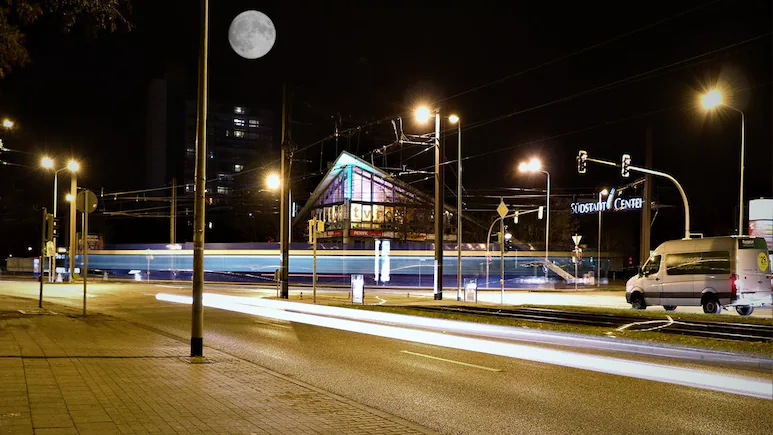
Why It’s #1:
Munich has mastered the art of being modern without losing its soul. Its wide pavements, green boulevards, and pedestrian-first zones make it ideal for walking. The Altstadt (Old Town) is completely walkable, with cobblestone streets leading to iconic landmarks like Marienplatz, Viktualienmarkt, and Frauenkirche.
Add in bike-friendly infrastructure and an efficient public transport network, and you get Europe’s most balanced urban ecosystem.
Don’t Miss: English Garden, one of the largest urban parks in the world, perfect for long winter walks or summer picnics.
🥈 2. Milan, Italy
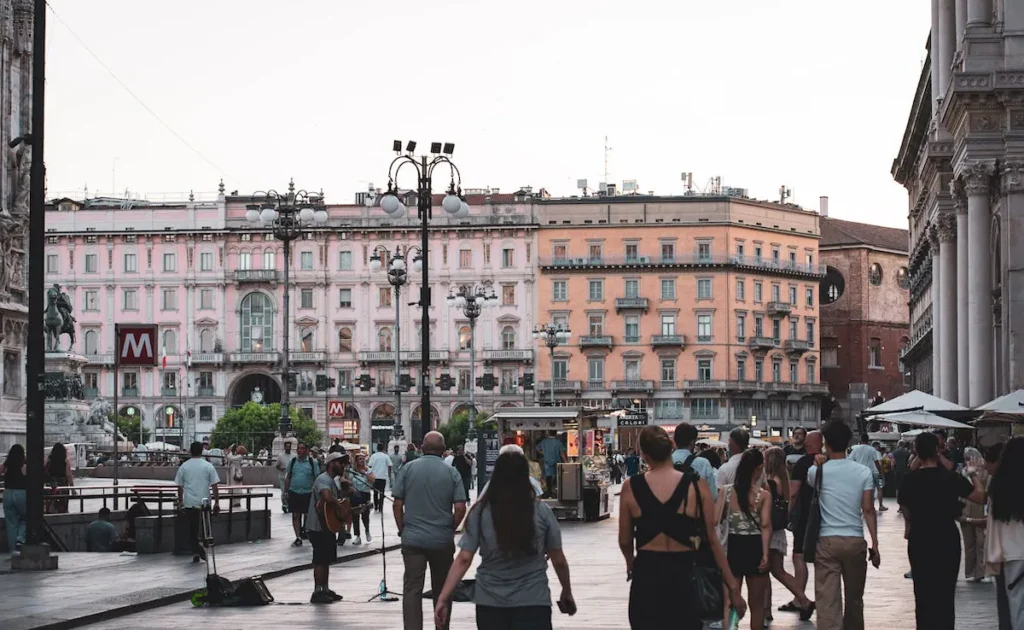
Fashion capital meets walking paradise. Milan’s compact city center lets you explore everything on foot — from Duomo di Milano to Galleria Vittorio Emanuele II and the Sforza Castle.
Its well-paved streets, shaded arcades, and traffic-restricted zones make it a delight to wander through. Walking here feels like a catwalk; stylish and effortless.
Don’t Miss: Brera district’s cobblestone alleys filled with galleries and trattorias.
🥉 3. Warsaw, Poland
Poland’s capital surprises many travellers with its incredible blend of history and modernity. After being rebuilt post-WWII, Warsaw prioritized wide pedestrian boulevards and green public spaces.
You can walk from the Royal Castle to Łazienki Park in under an hour, passing through street art, modern cafés, and open-air markets.
Don’t Miss: Old Town Square; a UNESCO World Heritage site rebuilt brick by brick after the war.
4. Helsinki, Finland
Compact, clean, and chilled, literally. Helsinki’s design makes walking comfortable even in cold months. Its pedestrian-friendly waterfront promenades connect cultural landmarks like Oodi Library, Helsinki Cathedral, and Market Square.
Winter walking paths are regularly cleared, making this one of the most accessible northern cities year-round.
Don’t Miss: The seaside trails around Kaivopuisto Park.
5. Paris, France
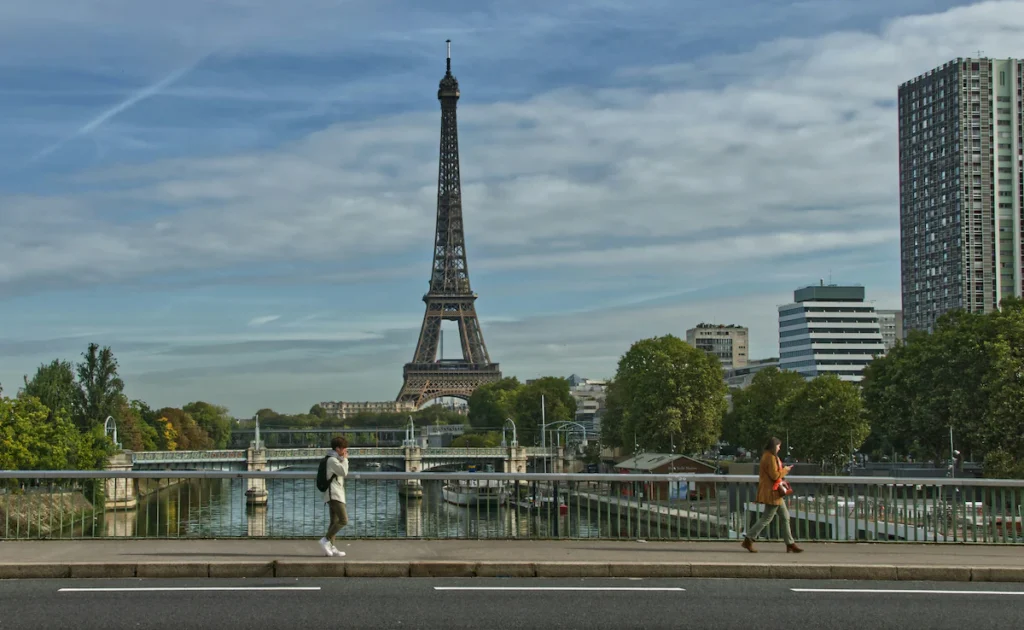
The city of lights is also the city of walkers. Paris was practically built for strolling; every arrondissement hides cafés, bakeries, and art at every corner.
From Montmartre’s slopes to the Seine riverbanks, every step feels cinematic. Recent efforts to reduce car traffic and expand pedestrian zones (like Rue de Rivoli) make it even better.
Don’t Miss: Sunset walk along the Seine where Parisians and travellers alike come to breathe.
6. Tokyo, Japan
Tokyo is vast, but incredibly organized. Each district; Shibuya, Shinjuku, Asakusa, Ginza is a walkable world of its own, connected by the planet’s most punctual metro.
Sidewalks are spotless, signage is clear, and safety levels are among the best globally. The culture of respect ensures walking here feels calm even in chaos.
Don’t Miss: Meiji Shrine Walk; a forested path that feels miles away from city noise.
7. Madrid, Spain
Sunlit plazas, tiled courtyards, and lively boulevards make Madrid a walker’s joy. The central areas, Sol, Gran Vía, Malasaña are best explored on foot. Madrid’s mild winters make year-round walking possible.
Don’t Miss: Retiro Park; where every Madrid local takes their Sunday stroll.
8. Oslo, Norway
Oslo’s urban design encourages sustainable mobility. Car-free zones in the city center, waterfront boardwalks, and abundant green parks make it one of the world’s most peaceful capitals to walk in.
Don’t Miss: The Oslo Fjord promenade, blending urban architecture with nature’s serenity.
9. Copenhagen, Denmark
A global pioneer in pedestrian and cycling culture, Copenhagen’s streets feel like open-air living rooms. The city’s “Strøget” area is one of Europe’s longest car-free shopping zones.
It’s where you can walk, shop, eat, and cycle seamlessly; a model of urban happiness.
Don’t Miss: Nyhavn Harbour; colorful, lively, and best experienced on foot.
10. Amsterdam, Netherlands
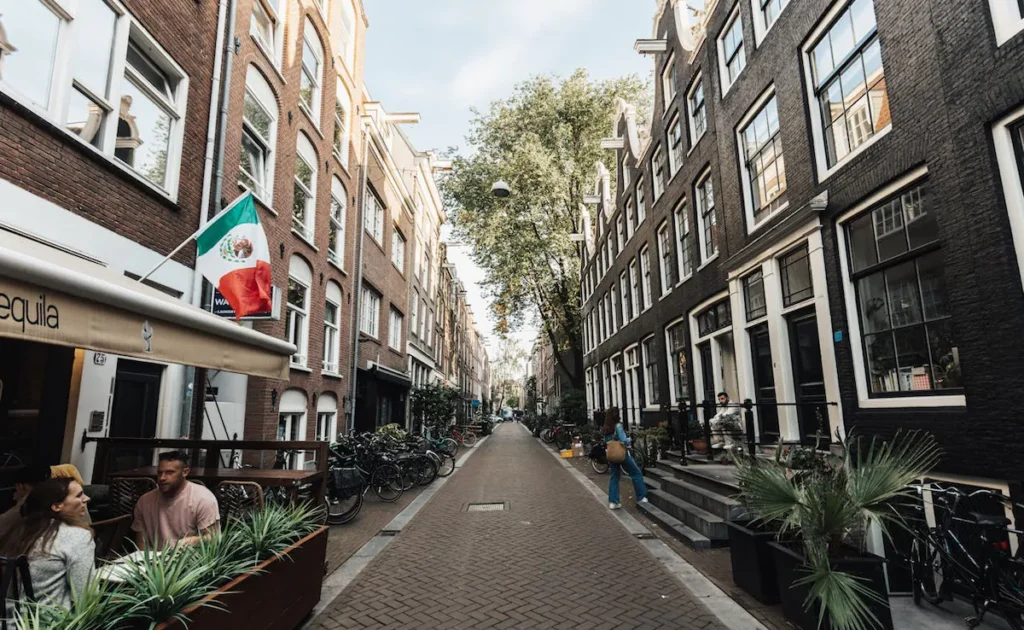
Known for its canals and cycles, Amsterdam is equally delightful for walkers. Its compact layout, historic charm, and scenic bridges make every stroll a postcard moment.
While cyclists dominate, pedestrians enjoy generous sidewalks and countless crossing bridges.
Don’t Miss: Canal belt walk at dusk when lights shimmer on the water like stars.
⚠️ The 10 Least Walkable Cities in the World
Not all cities make walking easy; whether due to sprawl, traffic, or lack of infrastructure. According to the same study, these are the least walkable cities globally:
- Johannesburg, South Africa
- Patras, Greece
- Dallas, Texas, USA
- Houston, Texas, USA
- Manila, Philippines
- Bangkok, Thailand
- Mumbai, India
- Cape Town, South Africa
- Quito, Ecuador
- Chicago, USA
Why These Cities Struggle With Walkability
Many of these cities share common challenges:
- Urban sprawl and car dependence
- Limited pedestrian infrastructure
- High temperatures or humidity
- Safety and traffic concerns
- Lack of shaded or green walking zones
Take Mumbai, for instance, a city alive with energy but constrained by narrow footpaths, overcrowding, and vehicle congestion. While some areas like Marine Drive or Bandra Bandstand are walkable, much of the city remains car and scooter dominated.
The good news? Urban planners across the world are paying attention. Projects like “Mumbai Walkability Plan” and Bangkok’s Skywalk network aim to reclaim pedestrian space.
The Connection Between Walkability and Well-Being
Walking cities aren’t just beautiful, they’re healthier. Research from the World Health Organization shows that residents of walkable cities have:
- Lower obesity rates
- Better mental health
- Higher social interaction levels
- Reduced carbon footprints
Walkable cities encourage serendipity; you bump into friends, stop at small shops, notice details that cars would blur past. It’s the kind of daily joy that defines liveability as much as travel appeal.
The Rise of “Walk Tourism”
A growing trend in travel is walk tourism; travellers who intentionally seek destinations best explored on foot. These travellers prefer immersive exploration over sightseeing checklists.
Think:
- Parisian café crawls
- Kyoto’s temple walks
- Rome’s historical routes
- Amsterdam’s canal circuits
Even tour companies now offer walking-only itineraries, combining sustainability, health, and storytelling.
How Travellers Can Support Walkable Tourism
- Choose centrally located stays to reduce the need for taxis.
- Use public transport for longer connections, and walk the rest.
- Respect pedestrian lanes and local etiquette.
- Support local cafés and shops you discover on foot, it keeps communities thriving.
- Encourage sustainable travel choices on social media and reviews.
Conclusion: The World at Walking Speed
In an age where we’re constantly racing, from flight to flight, meeting to meeting; walking might just be the most radical way to travel.
Cities like Munich, Milan, and Amsterdam remind us that beauty is not always in monuments but in movement, in the pace of footsteps echoing through quiet alleys, or the rhythm of crosswalks at sunset.
Whether it’s a lakeside stroll in Helsinki or a canal crossing in Amsterdam, walking transforms travel into connection.
So, the next time you plan your trip, ask not how fast you can reach somewhere but how slowly you can take it all in.
Because the best cities aren’t the ones you drive through.
They’re the ones you walk and remember.
